
30 MW solar PV plant approved for south Afghanistan
The High Economic Council (HEC) of Afghanistan has approved the construction of a 30 MW solar PV power plant in south Afghanistan.
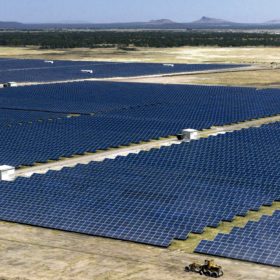
Mexico’s PV capacity reached 460 MW at the end of June
Solar was able to cover just 0.17% of the country’s total power production in the first half of last year, representing 0.62% of total generation capacity.
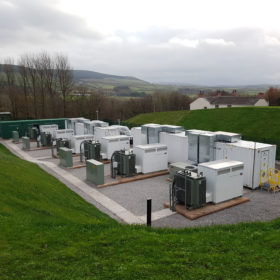
NES’s 50 MW UK energy storage project operational
NEC Energy Solutions (NEC ES) has announced its 50 MW energy storage project in the U.K. with VLC Energy, is fully operational.

Brazil hits 1 GW solar milestone
Almost 85% of the country’s installed capacity, which is sitting at around 1.1 GW, is represented by large-scale solar plants contracted by the Brazilian government in energy auctions that were held between 2014 and 2015.
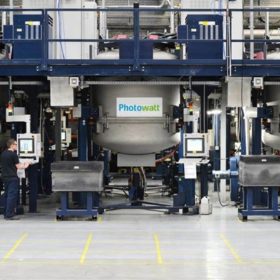
EDF ramps up ingot and wafer capacity, teams up with Canadian Solar
The group’s unit specializing in solar module production, Photowatt will expand its ingot and wafer capacity from 50 MW to 500 MW, and will enter into a partnership with Canadian Solar and ECM Greentech. More details have also emerged on EDF’s 30 GW solar plan.
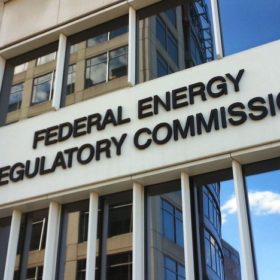
BREAKING: US regulators terminate coal, nuke bailout proceeding
Federal regulators have rejected orders from Energy Secretary Perry to design open-ended subsidization of coal and nuclear power plants, and are initiating a new proceeding to look into reliability matters.

Solar corporate funding rebounds in 2017 (w/ charts)
Venture capital, debt, securitization and project finance were all winners in 2017, as were solar stocks. However Mercom Capital warns that the pending Section 201 ruling could cause significant damage to the sector in 2018.

India’s AISIA opposes safeguard duty on imported solar panels and cells
The All India Solar Industries Association (AISIA) says the proposed safeguard duty will be counterproductive for the solar industry, and has called for differential anti-dumping duties for specific countries to be imposed, including China.

Jackonsville, Florida, courts global solar manufacturer
An un-named PV maker is seeking $54 million in state and local incentives to build its U.S. headquarters in the state, along with investing $410 million to build two factories employing 800 workers.
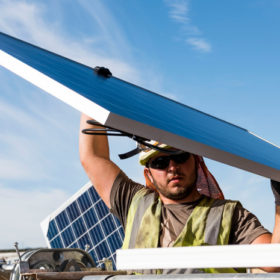
US: 43.5 GW of utility-scale solar proposed through 2020
While the U.S. Federal Energy Regulatory Commission (FERC) continues to struggle with reporting accurate data on existing solar, it has recorded a large volume of proposed projects over the next three years.
