
Perovskites and microgrooves can revolutionize solar
Ambitious targets for solar energy generation present challenges to an industry keen to explore new avenues for solar production. Neil Spann, chief executive of UK thin film solar manufacturer Power Roll, describes a commercial solution to the problems of over reliance on silicon solar modules.

Weekend read: Solar tops the bill
The US Inflation Reduction Act of 2022 sets aside $369 billion to decarbonize the economy and respond to climate change. pv magazine USA’s Anne Fischer and Ryan Kennedy report on the boost the landmark legislation is expected to provide to solar and battery deployment and manufacturing.
Tipping point for African C&I solar
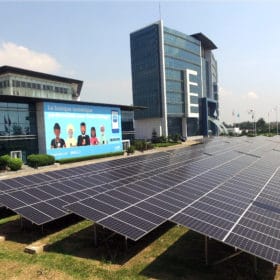
With installers who cater to African businesses making the headlines this year, Jasper Graf von Hardenberg – whose C&I solar business was recently bought by Shell – explains here how the story of the continent’s commercial and industrial (C&I) solar segment was far from an overnight success.
Weekend read: Southeast Asian interconnection
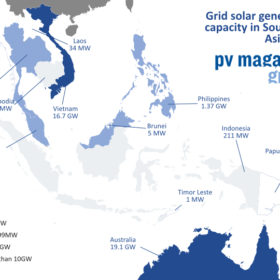
While near neighbors, the electricity generation of the countries of Southeast Asia couldn’t be further apart. Indonesia burns locally mined coal; Malaysia has reserves of oil and gas; and populous Singapore, Vietnam, and the Philippines depend on fossil fuel imports. They could all benefit from increased solar electricity but higher grid capacities and interconnection are key for an opportunity to unlock the power of the sun.
It’s time to combat utility opposition to solar
As part of Aurora Solar’s Empower 2022 online solar summit, Bernadette Del Chiaro, from the California Solar & Storage Association, will moderate a talk about electric utilities and how they have abused their monopoly position to discriminate against solar in the US. Here, she gives pv magazine a taste of the presentation.

Solar could have reduced UK gas reliance, says Carbon Brief
Carbon Brief has estimated that the United Kingdom would have needed to import 20 TWh less natural gas this year if successive Conservative governments had not wound down the rewards for generating solar electricity.
China dominated global solar jobs market in 2021
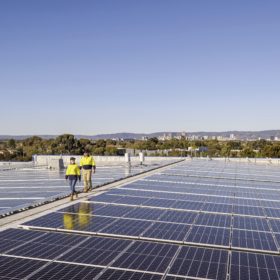
The 2.7 million people employed in solar in China last year dwarfed the 250,000 working in the US solar industry, according to a new report by the International Renewable Energy Agency.
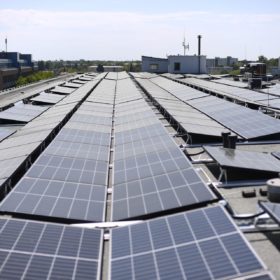
Pakistani regulator clarifies net metering proposal
A consultation about raising the level of payments made for excess household electricity injected into the grid appears to have prompted fears it could raise solar power prices across the board.

Solar companies consider reduced income to help UK households
Solar Energy UK members have made positive noises about a plan to shift historic, fixed-payment incentive contracts over to contracts-for-difference deals, which would limit the profits they would receive from soaring energy prices.
UK steelmakers could be spared from clean energy costs
The United Kingdom’s most energy-intensive manufacturers, already exempt from 85% of the contributions paid by other companies for green incentive schemes, could be spared from them entirely, according to a new consultation exercise.
