The Hydrogen Stream: GCL will use Ethiopian natural gas to feed its ammonia and blue hydrogen
Plus there is news this week of a green hydrogen tie-up in India, plans for another German production facility, and of new hydrogen transport networks for Switzerland and the U.S.
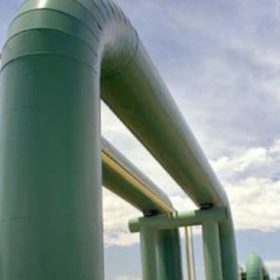
Chinese poly maker moves to establish natural gas-fired hydrogen business
An announcement by GCL-Poly to the Hong Kong Stock Exchange yesterday about the company’s hydrogen plans made no mention of any intent to deploy carbon capture tech to mitigate the emissions of what would otherwise be considered a ‘grey’, fossil fuel version of the energy storage medium.

General manager of GCL subsidiary approved $79m contract payment against company policy
While the independent investigation of a payment handed over to a state-owned lead contractor for a polysilicon fab planned by GCL exposed a breach of internal policy, the manufacturer has been cleared of any non-compliance with legal requirements.
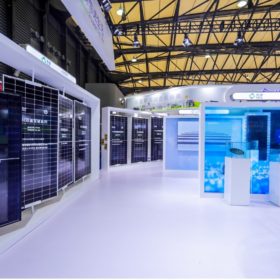
Interview: GCL to focus on system integration solutions, more than a high efficiency module provider
At this year’s 2021 SNEC Expo, GCL System Integration, a part of the Golden Concord Group (hereinafter referred to as GCL), launched a series of new module products which echoed the horn of the returning of this old giant. The company suffered a lot on finance in past few years due to subsidy default from central government to its heavy PV plant assets. After a big sale of these PV plants since late 2018 to China state owned energy enterprises, the liabilities and financial costs was cut off greatly and, the company reloaded with no more burden and came back to the frontline again. pv magazine caught up with general manager Thomas Kun Zhang to see what’s in store for GCL going forward.
Cash-strapped GCL prepares to pay $189 million to ease project sell-off
The polysilicon maker, which is disposing of the solar farms managed by its New Energy business to pay down debt, is preparing to pay more than RMB1.2 billion to buy a minority stake in a subsidiary it already owns the rest of.
Chinese PV industry brief: Jinko Power announces 1.5 GW solar project and Gaoce eyeing 10 GW of wafer production
The Jinko Power unit of the solar manufacturer is planning a huge hybrid solar and wind project and China Energy Engineering is also making, slightly more modest, plans for generation capacity, as poly maker GCL continued its great PV project sell-off.
GCL sells another 380 MW of solar parks to State Power Investment Corp
With trading in its Hong Kong-listed stock still suspended, the project development arm of the polysilicon manufacturer has continued its drive to sell down its portfolio to state-owned institutions.
Silicone fab explosion in Xinjiang threatens further poly shortage
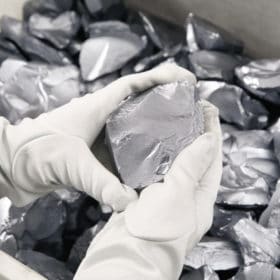
With the solar industry already seeing prices rise because of a shortage of panel raw material polysilicon, an explosion yesterday at the factory of a silicon metal
and silicone producer in Xinjiang could have further repercussions on supply. No casualties have been reported.

GCL note holders formally approve debt restructure
The holders of $500 million worth of senior notes which were not settled in late January have accepted the polysilicon manufacturer’s plan to issue fresh three-year investments, after a meeting in Bermuda on Friday.
GCL shareholders to vote on further 670 MW of project sales
Shareholders will vote on whether to approve the sale of ten solar farms to generate $320 million towards paying down its heavy debt pile.
