
BIPV shading estimation methods key for uptake, says IEA-PVPS
A recently published report from the IEA-PVPS on building integrated photovoltaics (BIPV) digitalization found many BIPV professionals are unsure of a suitable method for estimating shading in BIPV projects.
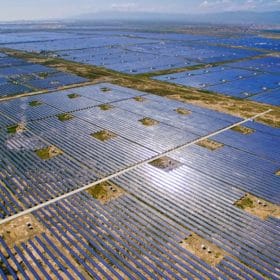
China’s PV capacity hits 364.4 GW
IEA-PVPS says that China added around 58 GW of new PV capacity in the first 10 months of the year, bringing cumulative installations to 364.44 GW. It says up to 100 GW of new capacity could be deployed by the end of this year.

Canada set to hit 5 GW milestone
Canada is set to install 500 MW of new solar in 2022, bringing its total capacity to about 5 GW, according to data from Canmet Energy. The country is expected to hit 35 GW of total solar capacity by 2050.
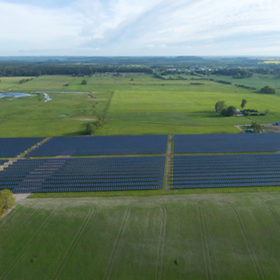
Sweden set to install 750 MW of new solar in 2022
Sweden’s annual PV capacity additions could grow by around 33% to 750 MW this year, from 500 MW in 2021, according to Becquerel Sweden. The large-scale solar market is set to contribute up to 150 MW, and the segment is expected to grow significantly beyond 2022.
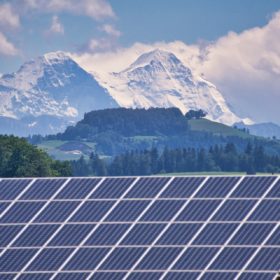
Austria may add 1.2 GW of new solar in 2022
Austria could become a gigawatt market for the first time in 2022. Its cumulative solar capacity is potentially set to hit 4 GW, up from 2.78 GW at the end of 2021. The country is expected to install more than 1 GW of solar every year until 2030.
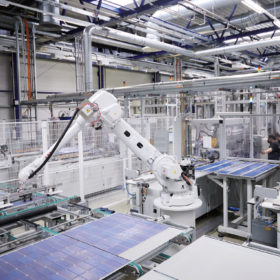
Global installed PV capacity could hit 260 GW in 2022
The International Energy Agency Photovoltaic Power Systems Programme (IEA PVPS) estimates that 173.5 GW of new solar capacity was installed in 2021, and that figure might rise to 260 GW in 2022. pv magazine spoke with the co-chair of the European Solar Manufacturing Council to look into the figures.
Defining BIPV
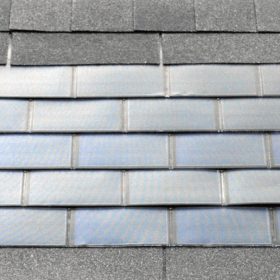
Incorporating solar into our built environments represents an opportunity for hundreds of gigawatts to be installed worldwide without taking up any additional land. In many cases though, this will require solutions beyond typical rooftop PV installations and much closer cooperation between the PV and construction industries. A new report published by IEA PVPS looks to bring together the interests of both worlds, and clearly categorize both the building envelope and energy functions of different BIPV components.
Module durability, and design for recycling
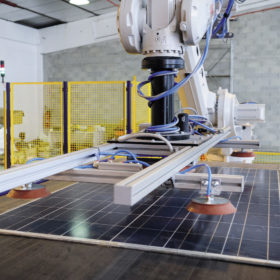
A new report published by the International Energy Agency offers a series of guidelines for the design of recyclable PV modules. The report aims to help manufacturers find the balance between durability and recyclability, to better address concerns about the 78 million tons of end-of-life PV modules expected by 2050.

Ulrike Jahn wins 2021 Becquerel Prize
The annual EU PVSEC conference started this morning, and the opening session saw renowned PV reliability expert Ulrike Jahn win the Becquerel Prize for her contribution to the development of PV technology.
From power to energy rating, for a better choice of PV module
A new report published by the International Energy Agency’s Photovoltaic Power Systems Program (IEA PVPS) outlines the need for PV module standards and testing to focus on ‘energy rating’ – an estimate of actual performance in a variety of climate conditions, rather than nominal power output or efficiency. The report finds that the IEC and other standards bodies are already beginning to make encouraging moves in this direction, but more work, and more data, are needed to make the most out of this approach.
