India prioritizes domestic products in plan for 12 GW of new solar
The Indian Cabinet Committee on Economic Affairs has approved a plan for projects to be enabled by public bodies in the hope that avoiding competitive procurement will enable it to circumvent WTO rules related to import parity.

Indian state-owned utilities tender 45 MW of floating solar projects
Following power company NTPC’s 20 MW tender for Rajasthan and 15 MW procurement for Himachal Pradesh, Haryana Power Generation Corporation Limited has invited bids to develop 10 MW of floating PV in Hisar. The deadline for bid submission is on March 1.

Indian state of Tamil Nadu floats new solar policy to generate 9 GW by 2022
The state government has unveiled its new solar energy policy. The ambition would encompass projects, programs and installations relating to solar PV and thermal energy, and is aimed at utilities as well as energy consumers.
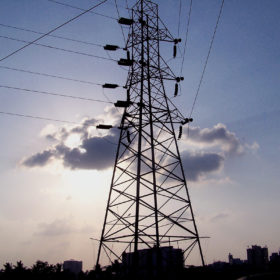
India floats 7.5 GW mega tender for Jammu & Kashmir
India’s Solar Energy Corporation of India has invited solar power developers to construct 7.5 GW grid connected projects in Leh and Kargil Districts in the state of Jammu & Kashmir under a competitive bidding process. Bid submission deadline is April 30. Tenders will be opened on the same day. The date of reverse auction will be advised at a later date.

$0.034/kWh solar bid equalled in India – but is it viable?
The state’s second attempt to tender for 500 MW of capacity has made a mockery of predictions of rising PV electricity prices and exonerated utility for cancelling previous procurement round. But the absence of India’s cheapest solar energy generator from the latest exercise could be telling.
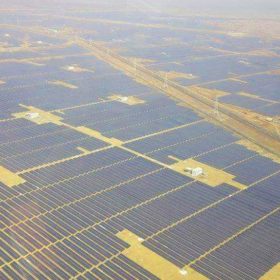
Greenko calls off plans to buy Orange Renewable
Hyderabad-based renewable energy major, Greenko Group has abandoned plans to buy AT Capital-backed Orange Renewable.

India: 25% safeguard duty will threaten ongoing solar PV projects
The two-year period of the recommended safeguard duty is very short, discouraging any investment in setting up new solar manufacturing capacity, say analysts and companies pv magazine spoke to. At the same time, for solar project developers, the duty will impact tariffs to the tune of 12-15%, posing an immediate threat to viability of projects under execution, they add.

Building a battery manufacturing industry in India – Vision Mechatronics interview
Dr Rashi Gupta, Director at Vision Mechatronics discusses the EV landscape in India, particularly focusing on the potential for battery manufacturing. While there are currently many challenges, like a lack of raw materials and infrastructure, the opportunities are immense.
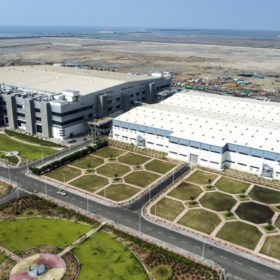
SECI launches tender for manufacturing capacity
The government’s Solar Energy Commission of India (SECI) has tendered 5 GW of solar manufacturing capacity to be set up across the country. The capacity will be linked to grid-connected PV projects with the plants developed on a build-own-operate basis.
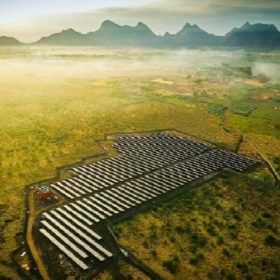
India: The first solar plant bid at INR 2.44 expected in August
The Indian Ministry of New and Renewable Energy (MNRE) says the nation will exceed 175 GW of installed renewable energy capacity as plans for bidding for 115 GW of renewable power projects to March 2020 were announced. The target for PV parks has been increased from 20 GW to 40 GW with some 41 parks in 21 states – with aggregate capacity of more than 26 GW – already sanctioned.
