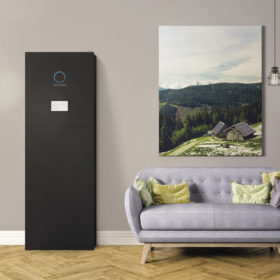
Another €4.4 million for solar-plus-storage incentives in northern Italy
After earmarking €3 million last year and €4 million in 2017, the Italian region of Lombardy has decided to further support residential and commercial storage projects linked to renewables.

Albania to introduce net metering for solar up to 500 kW
The new net metering tariff will be equal to market prices and will go into force as soon as the Albanian government approves it. According to a local interest group led by Albanian company EuroElektra, that could happen within the next two weeks. Overall, the scheme could facilitate the installation of around 200 MW of solar power.

Thailand launches net metering scheme for residential PV
The program will be open to solar power systems with a generation capacity larger than 10 kW. Initially, some 100 MW of solar power will be allocated through the mechanism. Net metering tariffs, however, will be little more than half the current electricity price.
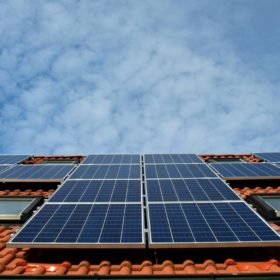
Distributed generation the main driver for solar in Japan and the Philippines
Two reports have concluded rooftop solar may replace PV parks as the main growth driver in the two big Asian markets over the next decade. Support programs for utility scale PV in both countries no longer seem attractive enough.
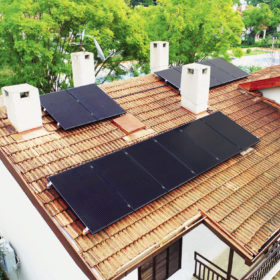
Turkey introduces net metering for residential PV and new rules for unlicensed solar
The government has finally issued a net metering scheme for solar systems not exceeding 10 kW of generation capacity – the country’s first attempt to support small scale PV. New rules for larger, unlicensed projects have also been introduced, with the size limit for eligible systems raised to 5 MW.

Solar distributed generation set for another record year in Brazil
New PV installations under the nation’s net metering scheme grew 137% year-on-year from January to March, according to consultancy Greener, and module imports registered even greater growth, signalling activity in the distributed generation segment is increasing at a faster pace. With the regulator mooting changes to the net metering regime, however, it may reflect customers rushing to secure current tariffs.

Dhaka water authority re-tenders plans for 12 MW solar plant
Plans are back on track for what the authority intends to be the first of many solar installations, after potential bidders complained in January that the proposed contract was not viable.

Lithuania announces first renewables auction and €4.5 million in solar rebates this year
The first mixed auction for renewable energy technologies will be held in September and will allocate around 300 GWh. The government will apportion €20 million for solar rebates up to 2023.
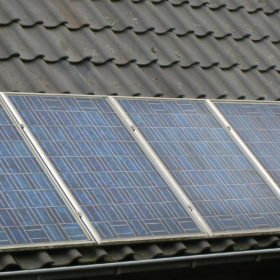
Netherlands to maintain current net-metering conditions until 2023
The Dutch government has confirmed it will maintain its net-metering scheme in its current form until 2023, with plans to then gradually phase it out by 2031. Net metering has been behind the steady growth of PV in the country in recent years, and was also the main market driver in the earliest stages of its solar development.

Four takeaways from Solarex
All the fundamentals are in place for Turkey to be a leading light in solar but an all-too-familiar lack of policy certainty, coupled with a troubled macroeconomic backdrop, mean the nation is still unable to realize its PV potential.
