
Swedish Parliament approves cancellation of solar tax
The tax was applied to PV installations for self-consumption with a capacity of over 255 kW. The move is expected to revive Sweden’s solar market after the disappointing performance (due to the tax) registered last year.
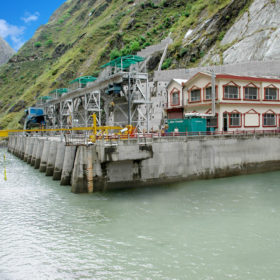
Indian hydropower provider SJVN seeks partners to deploy 500 MW of solar
The state-owned Indian hydro-power producer has issued an EoI to select potential partners for the construction of large-scale PV plants across India. SJVN will have an equity share of over 26% in the proposed joint venture.

Oman to launch support scheme for small-sized PV
The Middle Eastern country is planning to support the installation of rooftop PV systems ranging in size from 2 kW to 4 kW. The support scheme will not be based on FITs or net metering, but on an “accelerated subsidy adjustment” mechanism.

Taiwan confirms plan to reach 20 GW of cumulative solar by 2025
Taiwan’s new solar energy strategy envisages the deployment of less than 200 MW of new PV capacity over the next two years, and the achievement of 6.5 GW of cumulative PV by 2020.

German solar sector wants removal of capacity cap for PV
After conducting a review of the results of Germany’s six auctions for large-scale PV, which have led to a very good price/performance ratio for solar power, the German solar association said there is no more reason to set growth limits for the development of PV.
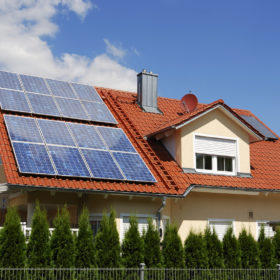
Belgium: researchers say solar-plus-storage is far from becoming economically viable
According to a scientific paper from the Université libre de Bruxelles, even a further reduction in storage prices may not be sufficient to make solar-plus-storage attractive in the Belgian market.
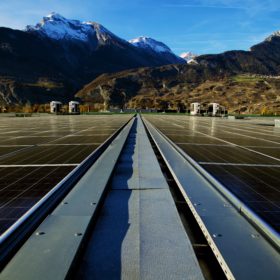
French government publishes new FITs for rooftop PV installations up to 100 kW
Another decree issued by the French Ministry of the Environment, Energy and the Sea has set the new feed-in tariffs for residential and commercial PV projects up to 100 kW on the French mainland.

Brazilian state of Ceará approves three solar projects totaling 90 MW
Ceará’s environmental authorities approved three 30 MW solar projects submitted by Steelcons Energy.
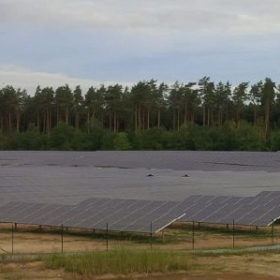
Germany: 96% of projects selected in first of six solar auctions is now online
Around 96% of the PV projects up to 10 MW selected in Germany’s first auction for large-scale solar has now been completed, according to the country’s grid regulator Bundesnetzagentur.

Singulus reports revenue and profit increase
The German equipment provider has posted positive numbers for the first quarter of this year. The company also reports high interest for its new PV production machinery.
