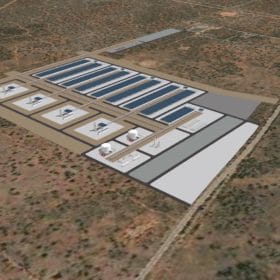
RWE signs deal with Greek utility aiming for 2 GW of coal-mine solar
It’s official. After 18 months or so of negotiations, electric companies in Germany and Greece last night inked a deal to confirm RWE’s entry into the Greek power market. Initially, the arrangement concerns 2 GW of new PV generation capacity to be built in former lignite mines, however the deal may later expand to include additional power projects.
Stake in Greece’s distribution grid sells for €2.1bn
The state-owned electric utility has agreed to sell 49% of its shares in the grid. The sale is expected to boost the country’s transition to a greener and smarter energy system.
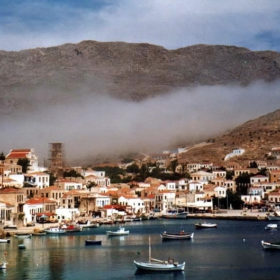
Renewables powered island can be an outlier for the Greek archipelago
The Greek Ministry of the Environment and Energy has signed a memorandum of understanding with a clutch of private companies to turn the small Aegean island of Halki green as a demonstration of the effectiveness of its planned GR-Eco Islands Initiative.
Greece’s 680 MW pumped storage project seeks investors
Developer Terna Energy claims the Amphilochia pumped hydroelectric energy storage project has entered the final stretch. If built, the large scale facility can boost Greece’s independence from fossil fuels and the government’s strategy for a coal-free electricity system by 2025.
European Commission opens antitrust probe into Greek state-owned utility
The EU executive will investigate whether power company PPC abused its dominant position in the member state’s wholesale electricity market to squeeze out competitors.
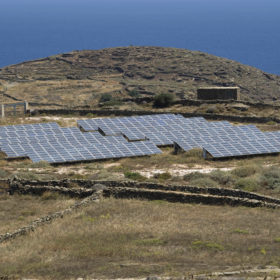
Greek EV policy follows on the heels of environmental package
The government will table plans for EV purchase incentives and charging points after cutting through permitting red tape in recent legislation. A recent law has proved controversial in some quarters, though, as it brings the private sector into environmental licensing and resists calls to halt commercial development of protected areas.
Greek utility eyes nation’s first subsidy-free PV project
The state-owned electric company, which has finally pivoted towards green energy, is developing a subsidy-free approach.
Chinese trade visit presages big investment in Greece’s energy infrastructure
Beijing already owns 24% of Greece’s electricity transmission system operator and has pledged to back a new Greece-EU funded interconnector to Crete which is set to open up more possibilities for solar on the island. The arrival of two of China’s biggest lenders also offers the prospect of new investment in renewables.
Greece and Hungary pledge to phase out coal
Athens-based policy group The Green Tank labelled Greece’s decision “historic” while Europe Beyond Coal, an alliance of civil society groups working to make Europe coal free by 2030 said Hungary should target a more ambitious 2025 phase-out.
Greek-German governments agree on 10-year green investment plan
Greece’s prime minister visited the German chancellor yesterday in Berlin and reached an agreement to set up an investment strategy that encompasses renewable energy.
