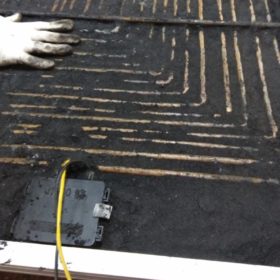
Photovoltaic-thermal module based on biochar-PCM achieves 79.6% efficiency
Indian scientists have developed a panel with an electrical efficiency of 13% and and thermal efficiency of 66.6 %. They built the system with a 100 W PV panel, a rectangular absorber, and a cooling technique based on a phase change material (PCM) that uses biochar derived from water hyacinth.
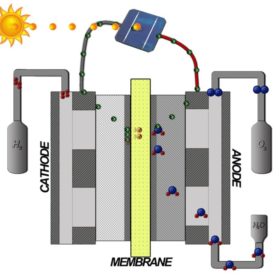
Solar-driven multigeneration system for hydrogen, electricity, heat
An Iranian research group has developed a system that combines photovoltaic-thermal modules with organic Rankine cycle, a proton exchange membrane electrolyzer, and liquefied natural gas. The ideal system has an exergy efficiency of 16.24%, a cost rate of $4.48 per hour, and 33.32 kW of net electrical power.

Photovoltaic-thermal noise barrier from South Korea
The Korea Institute of Energy Research has developed a 3kW solar noise barrier to produce electricity and heat. The thermal solar modules reduce the operating temperature of the photovoltaic panels by absorbing excess heat.

New method to measure solar-powered hydrogen production
Indian researchers have used an “adaptive neuro-fuzzy inference system” to assess the performance of hydrogen production backed by a photovoltaic-thermal collector. They claim it can be applied to other hydrogen production systems.
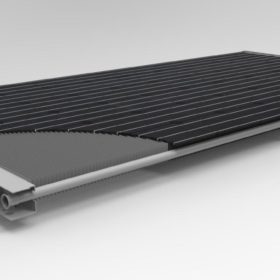
A photovoltaic thermal panel for heat-pump houses
Dutch company Triple Solar has launched a photovoltaic thermal solar panel for residential buildings which can be connected to a brine or water heat pump. The manufacturer says the heating system based on the panel is an ideal alternative to less efficient air and water heat pumps and more expensive geothermal systems. The grid-connected PV system can export excess power under net metering programs.
