
South Korea to prioritize PV projects with low carbon footprint, high-efficiency modules
The Korean government is planning to introduce new rules for carbon footprint certification, minimum efficiency levels and industrial standards for solar and wind energy. The measures are intended to make the domestic renewable energy industry grow while securing sustainable competitiveness, the administration said.
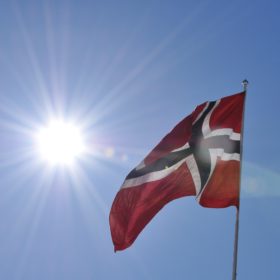
Norway saw 23.5 MW of solar come online in 2018
Despite the small figure, last year saw the nascent Norwegian PV market expand 29% from the previous year. The country’s cumulative installed PV capacity reached approximately 68 MW at the end of December.

Brazil to hold next A-4 auction on June 27, solar likely to be included
The Ministry of Energy and Mines is planning nine energy auctions up to 2021. The plan includes two “new energy” procurements per year – A-4 and A-6 auctions – and one per year for existing power plants. It is unclear whether solar will be eligible and, if so, which auctions it would compete in, but Brazilian solar association ABSOLAR is confident PV will admitted to both.

Solar-plus-storage approaching the North Pole
The Northwest Territories of Canada are going to host a solar-plus-storage project that will be the first of its kind in the region. The facility will power three businesses and 32 residential units in Inuvik and Iqaluit.
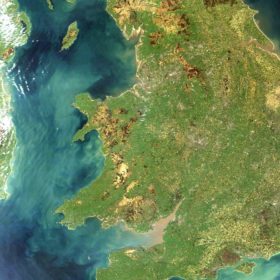
Statkraft virtual plant integrates renewables, storage and gas in UK
The virtual facility is monitoring approximately 1 GW of combined wind, solar, storage and flexible gas engines in the U.K. and its capacity may double in the summer. The energy managed by the plant is being sold on the British energy market.
France changes tender rules for innovative PV
After receiving approval from the European Commission in November, the French government has now published new rules for tenders assigning a fixed tariff to solar projects that use innovative technologies such as new cells and modules among others.
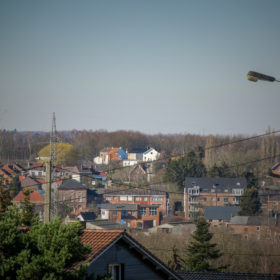
Wallonia’s grid fee for prosumers will apply only to new systems
The controversial charge for residential PV systems will apply only to installations connected to the grid after July 1, and will come into force from 2020. Wallonia has around 1.1 GW of installed solar capacity, most of it residential PV systems.
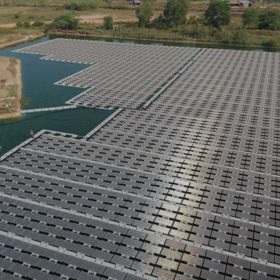
Floating PV offers alternative to grid outages in South Africa
A 60 kW floating array was deployed by New Southern Energy at the reservoir of a fruit farm near Franschhoek, in the Western Cape Province. A second phase of the project will also include storage.
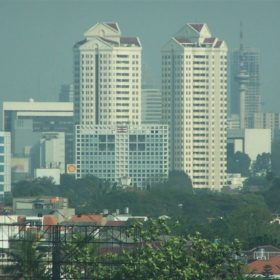
Storage preferred to net metering in Indonesia as new rules prove ineffective
According to solar body the PPLSA, around 300 PV system owners have already gone off-grid as the tariff granted for surplus power under net metering was not attractive enough. Several barriers are preventing net metering taking hold, including an obligation to either use locally made equipment or pay more to re-certify imported modules and inverters.

Colombia awards 1.39 GW of wind and solar in Reliability Charge auction
The capacity comes from two solar parks and five wind power plants awarded firm energy obligations for 2022-2023. The Reliability Charge auctions were created by the Colombian government to ensure power supply during water shortages.
