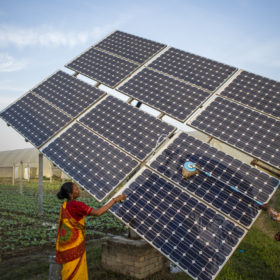
Bangladesh net metering requirement may deter solar pump owners
The government has finally issued guidelines on how solar-powered irrigation system owners can be paid for exporting power back to the grid. However, for those who expect to have to use grid power to augment solar from time to time, there could be a sting in the tail.

Solar brings safe water to Bangladeshi coastal communities
F Cubed, an Australian company that specializes in solar-powered desalination systems, has landed a contract valued at almost $5 million to supply 1,140 units that will provide clean drinking water to around 30,000 people in Bangladesh.
Bangladesh prepares to tender solar rooftops on public buildings
The government will reportedly be ready to tender contracts to install rooftop PV on its buildings across eight divisions of the nation in as little as three months’ time.
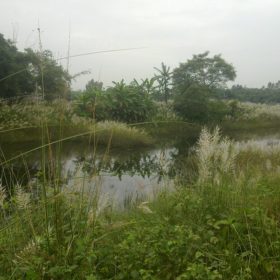
German development bank to fund Bangladesh canal-top PV study
Renewables authority official tells pv magazine the nation’s irrigation canals could host almost 1 GW of solar generation capacity.
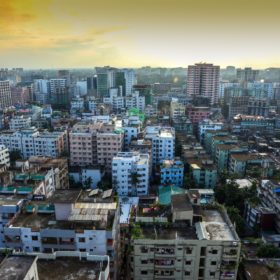
IFC to help Bangladesh with public-private solar partnerships
The lender’s private sector arm will help formulate a tendering process to identify the best suited partners for the development of PV projects in Bangladesh.
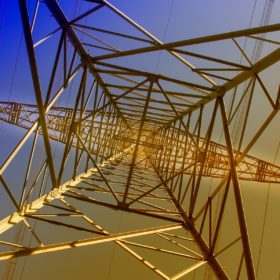
Grid-connected solar outpacing remote installations in Bangladesh
Industry figures indicate the expansion of the Bangladeshi grid is hitting demand for the solar home systems which have traditionally generated power for homes formerly out of reach of the electricity network.
Bangladesh sets solar import standards
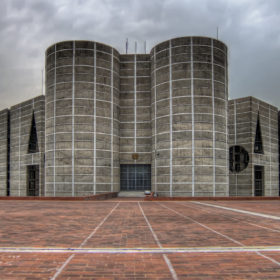
Complaints about sub-standard, cheap PV imports from China – and notably, India – have been heeded by Dhaka, which has issued a requirement for modules, inverters, charge controllers and batteries to attain IEC electrical standards.
Bangladesh nears net metering policy for solar irrigation pumps
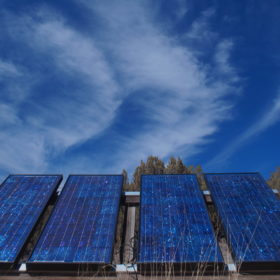
Firming up the payment system for solar energy exported back into the grid from PV-powered pumps will offer owners a new revenue stream, eat into a $1 billion annual diesel fuel bill and reduce strain on the grid by up to 1.5 GW daily during the agricultural season.
Bangladeshi solar mini grids threatened by fossil fuel commitments
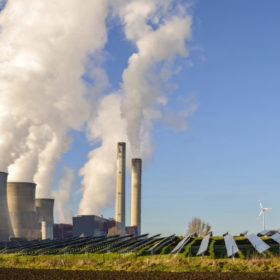
In racing to provide access to electricity to all its citizens, the government has commissioned extensive coal, gas and nuclear generation capacity and the solar sector fears an ever-expanding national grid will kill the business case for solar in previously off-grid areas.
Bangladeshi industrial sector embraces leasing model for solar rooftops
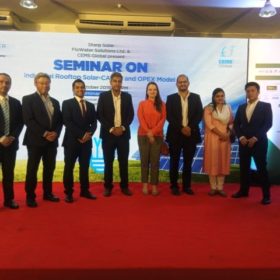
The affordable public financing packages on offer for solar rooftops are attracting developers who have clients happy to lease out roofspace without any capital outlay in order to secure cheaper power.
