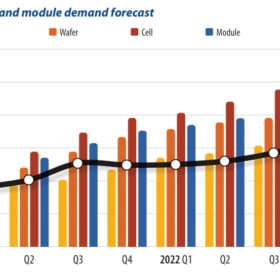
No end to solar supply/demand imbalance
The solar supply chain problems that began last year with high prices and polysilicon shortages are persisting into 2022. But we are already seeing a stark difference from earlier predictions that prices would decline gradually each quarter this year. PV Infolink’s Alan Tu probes the solar market situation and offers insights.
EU adds anti-subsidy duty to existing trade measures on Indian and Indonesian steel
The European Commission has alleged China offered cut-price finance to Indonesia, via Beijing’s Belt and Road drive, so Jakarta could develop domestic demand for stainless steel raw material nickel ore.
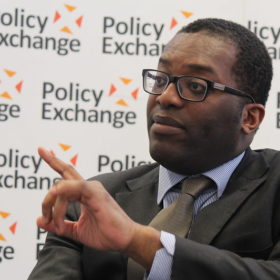
UK to move to annual renewables auctions from next year
With solar readmitted to the process for subsidizing new renewable energy generation capacity, the government says it is “hitting the accelerator” on clean power as it aims for a fully decarbonized electricity system by 2035.
Wood Mackenzie expects return to solar panel price falls this year
Wood Mackenzie has made its predictions for the Chinese energy market in 2022 and said the country could install almost 120GW of solar and wind power generation capacity.
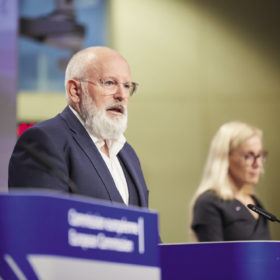
Frans Timmermans: ‘In some places in Africa gas will be part of the energy mix and that is also part of the transition’
A speech delivered by the European Commission’s executive VP for the European Green Deal reiterated the EU executive’s belief natural gas will play a part in the energy transition, 24 hours before a member of an advisory panel hit out at plans to deem gas and nuclear sustainable energy sources.
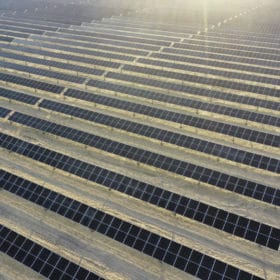
Oman inaugurates 500MW Ibri 2 solar field
Some 1.5 million bifacial panels make up the power plant in Ad-Dhahirah governorate which was constructed in just 13 months by ACWA Power, the Gulf Investment Corporation and Kuwaiti developer Alternative Energy Projects Co.

Solar supply chain trouble to ease this year, according to analyst
Wood Mackenzie has predicted solar equipment cost increases will ease back after last year saw the average cost of solar electricity rise for the first time in the Asia-Pacific region.
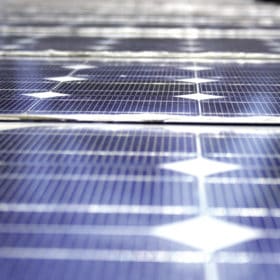
Stepping UP in 2021: #2 Solar workers’ rights and leading by positive example
There is increasing pressure, globally, for companies to be held more accountable, particularly when it comes to sustainability and just working conditions, and this topic is only growing in importance. With this in mind, pv magazine’s UP Initiative spent Q2 2021 looking at what solar and energy storage companies could do to lead by positive example when it comes to the workers, often far removed, involved in the production of their products and services.
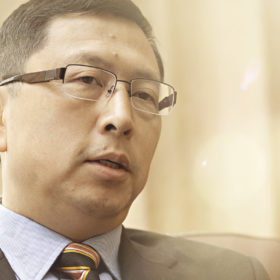
Shawn Qu at BNEF Summit Shanghai: ‘A new era for solar PV’
The Canadian Solar chief repeated his belief the trend of ever-cheaper solar panels has come to an end and revealed, at the online BNEF event, his company is set to launch a 700 W module.
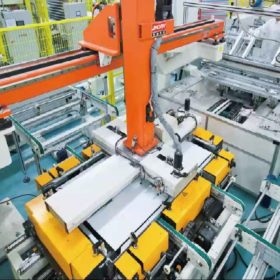
Talesun: Focus on solar tech and product innovation to survive
Several black swans have been circling over this year’s solar PV industry: rising raw material and product prices; supply chain issues and international logistics holdups; and power shortages in China, to name but the most disruptive. How is it possible for solar companies to survive under these conditions? According to Dong Shuguang, a PV veteran and President of Talesun Solar, they must focus on solar technologies like PERC, TOPCon and HJT, and product innovations that provide customer value.
