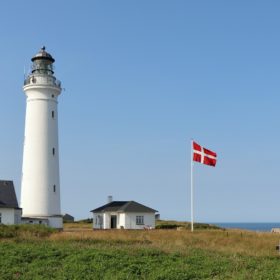
Danish renewables auction too successful at driving down public cost of clean energy
The Danish Energy Agency allocated 252 MW of clean energy generation capacity, of which 83 MW was solar and 93 MW solar-wind hybrid facilities which included 34.1 MW of PV capacity. The average price premium to be paid on top of wholesale electricity rates to the successful bidders has fallen 30% in a year, prompting the authorities to muse they may be allocating too much public money to support such projects.
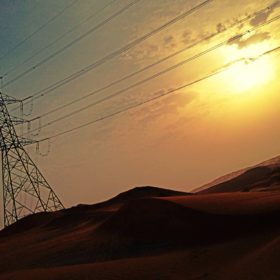
‘Green electrons and molecules’ from the desert
The new concept of the Desertec initiative, which was presented at the Energy Transition in the Arab World Conference in Berlin last week, is still based on the idea that large-scale solar and wind energy can be developed and used in the deserts of the Middle East and North Africa. It also includes, however, that hydrogen and other synthetic emission-free energy carriers can also be developed throughout the region with clean energy and then exported to world markets.

Solar to get largest share in Slovakian ‘renewables’ auctions
PV is expected to claim 44% of the clean energy capacity needed to generate 2.4 TWh of electricity in the next two years but potentially gas driven co-generation is also set for big gains. The Ministry of Economy could announce the first auction this year. Energy company Slovenský plynárenský priemysel will be the off-taker.

Hungary launches first renewables auction and tops 1.1 GW of solar
The EU member state added 418 MW of new solar in the first six months of the year and its energy regulator expects another 1.4 GW in the years ahead, as a result of the METAR incentives scheme introduced in 2017. The regulator has also announced a pilot renewables auction with the results expected early next year.

Bidders line up for Ecuador renewables auction
The final results of the exercise, which attracted 22 participants, will be known on April 15. A 200 MW solar project will be assigned in the auction, with the winning bidder for that facility securing a 20-year power purchase agreement.
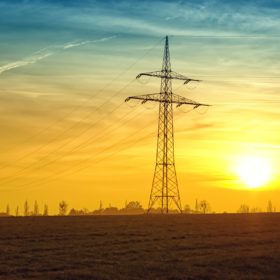
Tennet invests another €235 million to integrate renewables
Dutch transmission system operator Tennet, which also serves Germany, said the investment will be used to connect around 2 GW of renewables generation capacity to the high-voltage transmission system of the northern Netherlands.

Solar and wind make coal unprofitable in Japan
Recent investments into 11 GW of new coal generation capacity may result in reduced operating cashflows of $71 billion. That will occur, according to a report from the Carbon Tracker Institute, because solar and wind will become cheaper than coal in Japan by 2025 at the latest, despite high renewable energy costs at present.
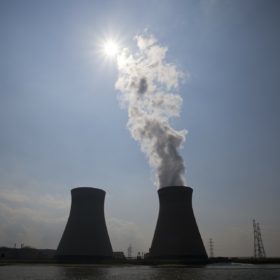
Logic supports renewables, not nuclear
The latest edition of the World Nuclear Industry Status Report gives the energy source little hope in the race against fast, widespread, job-friendly, popular renewables. The report reiterates clean power is taking the lead in the world’s energy system and nuclear is not only too costly a remedy for carbon emissions but too slow to deploy. Nuclear output grew only 2.4% last year while solar and wind power volumes grew 18% and 29%, respectively.
Dutch government seeks to privatize Tennet
Tennet needs more than €4.75 billion to invest in cross-border grid infrastructure between Germany and the Netherlands, as rising volumes of solar and wind are complicating network operations, said Dutch Finance Minister Wopke Hoekstra in a recent letter to the Dutch parliament, adding that the government may need to privatize the state-owned transmission system operator or sell off a stake in it.

Renewables and geopolitics: ‘There won’t be as much to fight over’
In the latest installment of pv magazine’s renewable energy and geopolitics series, Indra Overland says a new mindset is necessary to understand the geopolitics ahead as the rules of the fossil fuel era will no longer apply. A renewable world will have fewer strategic locations and bottlenecks and less territorial competition.
