Are rare earths used in solar panels?
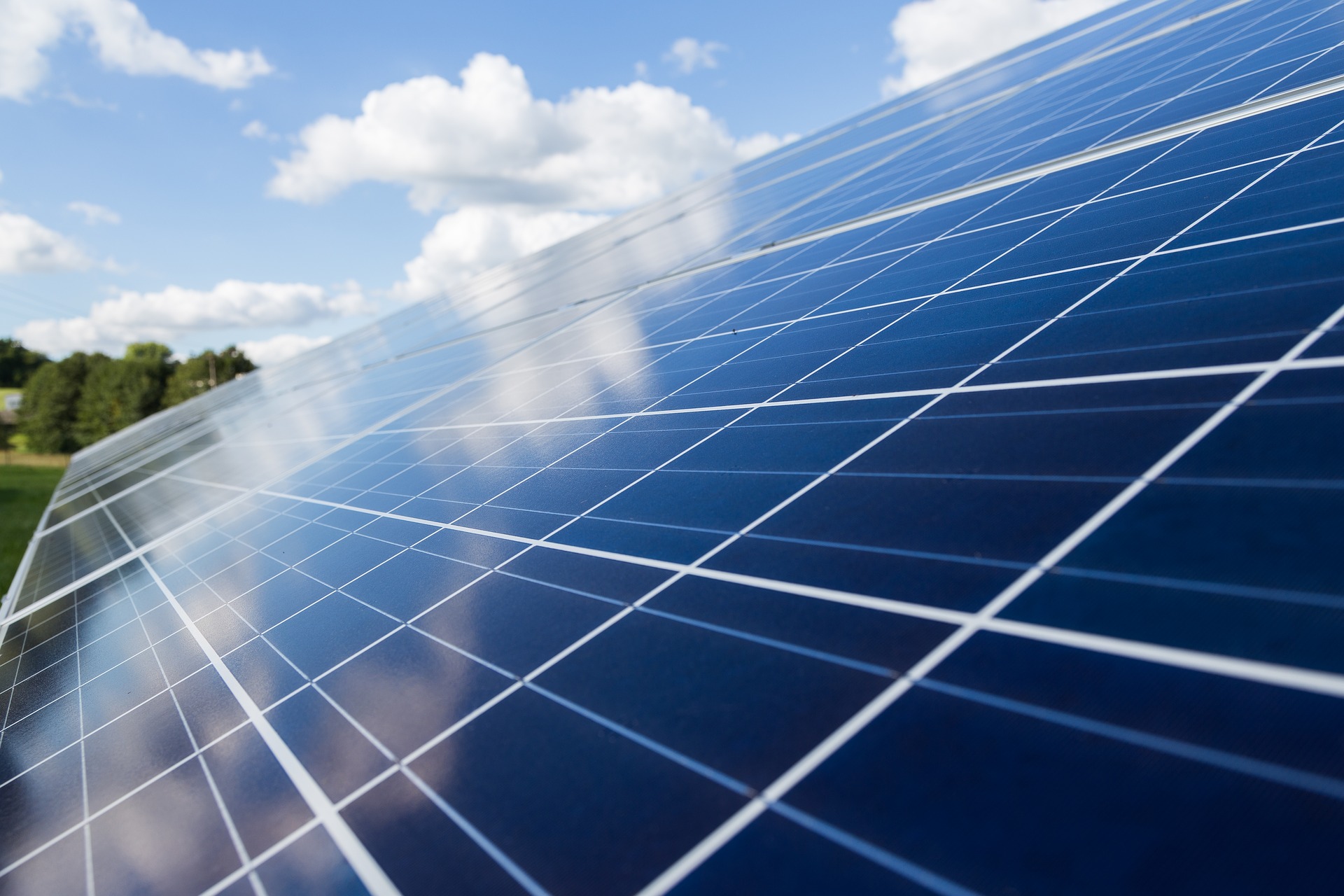
A new report by the French Environment and Energy Management Agency (Ademe) shows that rare earth minerals are not widely used in solar energy and battery storage technologies. And despite their name, they aren’t actually that rare at all.
“Their criticality is mainly related to the current virtual monopoly of China for extraction and processing,” the agency said, noting that the country accounted for 86% of the world’s production of rare earth minerals in 2017.
The extraction of rare earths has a significant toxicological impact on the environment, depending on the nature of the reserves. Ademe said the presence of thorium and uranium in deposits can mean that rare earths create a type of radioactive pollution that is different from other types of waste. However, the agency ultimately concluded that the renewable energy sector actually barely uses such materials.
At present, rare earths such as neodymium and dysprosium are mainly used in the permanent magnets of offshore wind turbines. Onshore wind turbines also use them, as is the case for turbines in about 3% of wind farms in France, but alternatives exist. For example, it may be possible to make asynchronous or synchronous generators without permanent magnets, to reduce the need for rare earths. But without alternative solutions over the next 10 years, the wind sector may end up accounting for 6% of annual neodymium production and more than 30% of annual dysprosium output, given that the global offshore wind sector is eventually expected to reach 120 GW of cumulative capacity.
In the battery sector, Ademe said that rare earths are not used, or if they are, they are utilized in very small quantities, and sometimes possibly as an additive. Only nickel metal hydride (NiMH) batteries include a rare earth alloy in the cathode. However, compared to lithium-ion batteries, they are expensive and “their use will remain very marginal in the energy transition,” said Ademe, adding that commercially available PV technologies do not use rare earths.
“Ademe is bringing concrete and factual information to this discussion on rare earths – a subject on which many untruths are circulating today in the public debate,” said Jean-Louis Bal, the president of Syndicat des énergies renouvelables (SER), a clean energy trade body in France.
However, a lack of rare earths does not mean that the components of solar modules are harmless. Thin-film PV technologies, for example, contain potentially critical metals such as tellurium, cadmium, indium and silver.
This content is protected by copyright and may not be reused. If you want to cooperate with us and would like to reuse some of our content, please contact: [email protected].

Please login to comment

[…] requiring quantities of rare earth minerals, mined and refined under toxic conditions in China, and the panels requiring potentially critical minerals that could leach harmful […]
[…] pv magazine International: Are rare earths used in solar panels? […]

This piece is not what the headline claims. For example:
“Onshore wind turbines also use them [rare earths such as neodymium and dysprosium] … but alternatives exist…”
and then:
“it may be possible to make asynchronous or synchronous generators without permanent magnets, to reduce the need for rare earths…”
Make your mind up. Do alternatives to rare earth metals exist or no?

Hi SRH, The article states alternatives do exist, as you highlight yourself in the second quote you used. That does not mean industry will pay to develop such alternatives, of course, as the article mentions. The headline of the article is a question. I’m not sure what you believe is stated in the headline but not addressed in the article.

Thank you, it was my first time hearing about all this said. While I am working on installation of solar in Swaziland (ESwatini) I will like to be part of the studies, i am so much interest.
[…] the local chamber of agriculture as part of the Sun’Agri 3 program supported by the French Environment and Energy Management Agency (Ademe).The plant was set up in the wine-growing area in Piolenc, in Hérault, as part of a […]