Emiliano Bellini

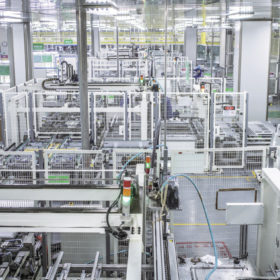
Jinko shipped 18.7 GW of modules in 2020
The Chinese module manufacturer saw its net profit rise only slightly last year, despite a larger increase in turnover and shipments. It expects to almost double its shipments to up to 30 GW of PV modules in the current fiscal year.
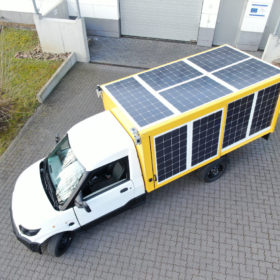
Vehicle-integrated PV for light commercial vehicles
A German consortium is building a light commercial truck prototype powered by 10 PV modules featuring Meyer Burger’s heterojunction cells. Initial estimates suggest that the panels could cover more than 25% of a vehicle’s total annual driving distance, and researcher Robby Peibst told pv magazine that the vehicle-integrated photovoltaic market could hit 5 GW by 2030.

Unsubsidized solar for underground zinc-lead mine in Namibia
Canadian mining company Trevali will buy power from a solar plant located near its Rosh Pinah mine under a 15-year power purchase agreement.
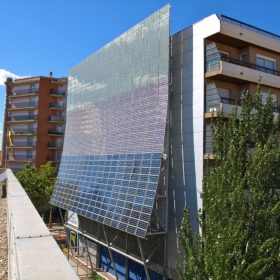
PCM-based passive cooling for BIPV systems
Indian scientists tested four kinds of phase change materials (PCMs) for solar module cooling in building-integrated photovoltaics. The PCMs were encapsulated with the PV system and the building envelopes and were also found to be beneficial to the thermal comfort inside the buildings.
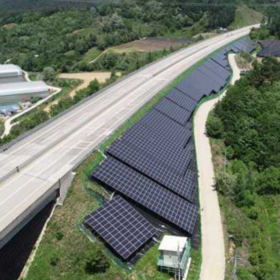
South Korea wants to build large-scale PV along highways
The new plan comes on top of a scheme launched in late March to deploy solar using railway infrastructure. The Korean government expects private developers will build solar plants on the highways’ idle sites for a combined capacity of 243 MW by 2025.

Saudi Arabia’s second PV tender draws world record low bid of $0.0104/kWh
The record low price was offered for the 600 MW Al Shuaiba PV IP project, which competed in the second round of the country’s procurement scheme for renewable energies.
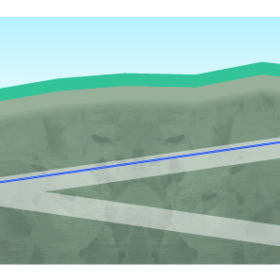
Work begins on green hydrogen storage cavern in Sweden
Vattenfall, SSAB and LKAB are building a rock cavern storage facility in a coastal city in northern Sweden. The 100-cubic-meter facility will be built 30 meters below ground and will begin storing green hydrogen next year.
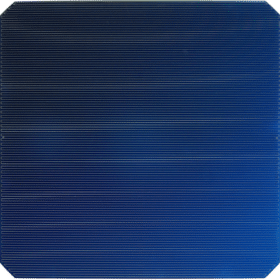
P-type TOPCon solar cell with 21.2% efficiency
Fraunhofer ISE scientists have identified the best metallization pastes to help reduce contact resistivity and contact recombination in p-type TOPCon solar cells. They applied a silicon nitride layer through plasma-enhanced chemical vapor deposition onto both sides of a cell.

Taiwan joins the gigafactory club
Taiwan Cement is planning to build a US$352 million EV battery factory in southern Taiwan. The 1.8 GW facility will produce high-charge-discharge nickel ternary batteries.
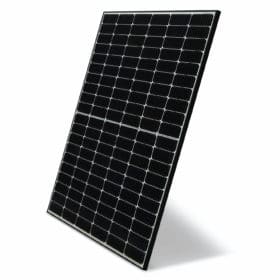
LG unveils 390 W n-type module
The Korean manufacturer said the NeON H solar panel is the most reliable and efficient renewable energy solution it has ever created. The new product features an efficiency of 21.2% and a temperature coefficient of -0.33% per degree Celsius,
