Emiliano Bellini


Togo to increase rural electrification from 7% to 40% by 2022 through solar
The government of the small African country has launched a program to bring solar power to two million people without access to electricity.

Uruguay’s installed PV capacity tops 88.4 MW
According to new statistics, new PV installations for last year totaled 24 MW. Furthermore, solar was able to cover 2% of power demand in 2016.
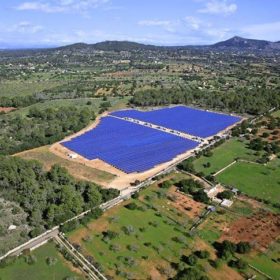
Spain’s Balearic Islands to replace thermal power generation with solar parks
The government of the archipelago is planning to decommission parts of thermal power plant Es Murterar and to increase the share of renewables through the deployment of large-scale PV capacity.
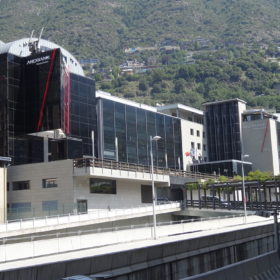
Andbank España launches new solar fund
Through the new fund, the Spanish financial services provider hopes to initially raise up to €20 million.

Czech Republic allocates additional funds for commercial PV
In addition to the Green Savings Programe, the Czech government has now started to provide solar incentives through the Operational Program for Entrepreneurship and Innovation for Competitiveness (OPPIK).
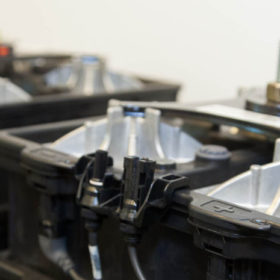
Italy simplifies rules for PV storage
The rules were harmonized with the regulation for revamping and repowering of PV systems issued by the GSE in March.

Paraguay to issue renewable energy law by the end of 2017
Although mired in significant delays compared to other Latin American countries, Paraguay is now preparing to issue its first legislation to support solar and wind power.
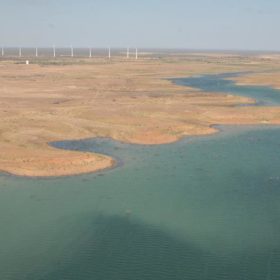
Brazil’s hydroelectric company Chesf builds another MW-sized PV plant
The installation will be located in the state of Pernambuco and will be also used to test different PV components.

Alberta launches $36 million solar rebate scheme
Rebates can cover up to 30% of the costs for buying and installing a residential or commercial PV system. The program is expected to enable the deployment or around 50 MW of solar capacity.
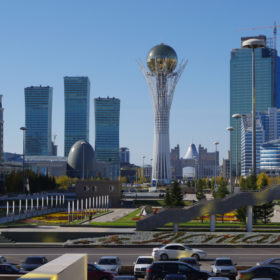
EBRD to finance another 50 MW solar park in Kazakhstan
The Baikonur Solar project is planned for the Kyzylorda region. The project will be developed by Samruk Kazyna United Green Energy Ltd., which is also building two more 50 MW solar facilities financed by the EBRD.
