Photovoltaic water pumping based on open-ended winding induction
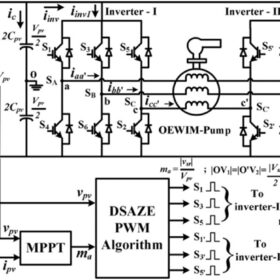
Indian scientists have designed a water-pump drive system that is powered exclusively by photovoltaics. The proposed system configuration reportedly ensures effective use of both the solar modules and the motor.
Soltec launches dual-row, single-axis tracker
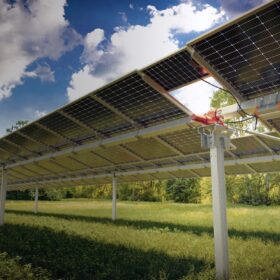
Spain’s Soltec has developed a new dual-row, single-axis tracker with a tracking range of up to 60 degrees, offering compatibility with 60-cell, 72-cell and 78-cell modules.
Ensemble techniques for solar energy forecasts
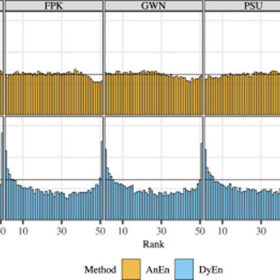
A Chinese research group has sought to understand the relative performance of two weather prediction techniques based on ensemble modeling for solar energy forecasts. The scientists applied the two methods in combination with three classical post-processing methods.
Agrivoltaics for berries
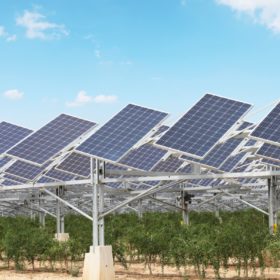
Scientists in the Netherlands conducted meta-analysis on the growth of strawberries, blueberries, blackberries and blackcurrants under different levels of shade generated by elevated agrivoltaic systems. They found that, although classified as shade-benefitting in previous literature, not all berries are equally profiting from the presence of the photovoltaic panels.
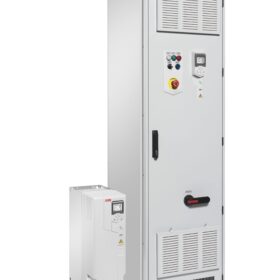
ABB Motion launches new solar drive for water pumping
ABB Motion has unveiled a new solar drive for water pumping, featuring integrated maximum power point tracking (MPPT) logic to maximize operations, with an input voltage ranging from 225 V to 800 V.
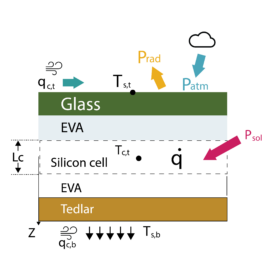
Reducing PV module temperature with radiative cooling based on polymeric coatings
A Saudi research group has assessed how polymeric coatings, such as polyethylene terephthalate (PET) and polydimethylsiloxane (PDMS), could be used for radiative cooling in photovoltaic panels and has found that both materials could reduce the operating PV module temperature by between 1.15 C and 1.35 C.
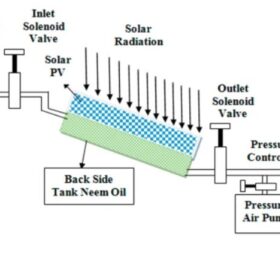
Solar module cooling tech based on waste neem oil
An international research team has placed a neem oil tank on the back of solar modules for cooling purposes. The proposed solution reportedly improves PV panel performance by up to 17.8%.
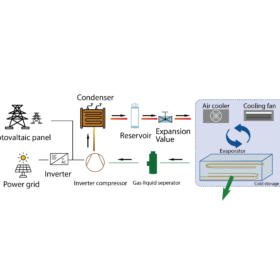
Photovoltaics for cold storage
Researchers in China have developed a photovoltaic cold storage system that is reportedly able to improve refrigeration capacity and ice storage rate. The system is said to ensure a stable cooling system operation for the refrigeration needs of agricultural products.
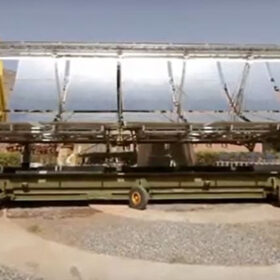
SGC, SMO to deploy 100 MW of solar waste-to-energy in Australia
SGC and SMO say they plan to install 100 MW of solar waste-to-energy systems in Australia. They aim to deploy a total of 50 waste-to-energy units in the next three years, with plans to scale up to 1 GW in the future.
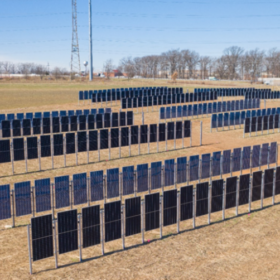
Vertical agrivoltaics for forage crops, animal grazing
US-based Sunstall has deployed a vertical agrivoltaic facility based on its racking solution in the United States. The system features 18 rows of 21 panels and has a total capacity of 170 kW.
