
Powering bio-based earth homes with photovoltaics
Moroccan researchers have investigated the potential energy savings of PV systems integrated with biomaterial-based walls in rural areas. They say that solar-powered earth homes could achieve a levelized cost of electricity (LCOE) of $0.218/kWh.
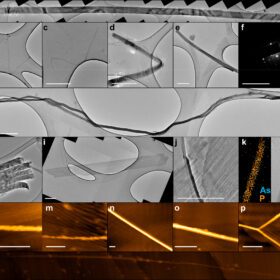
Phosphorus-arsenic nanoribbons may improve solar cell performance
UK researchers have developed ultra-thin nanoribbons, just 1 atom thick, by combining phosphorus and arsenic alloys. The nanoribbons offer excellent conductivity, even at temperatures exceeding -143.15 C, and have the potential to enhance charge flow in solar cells.
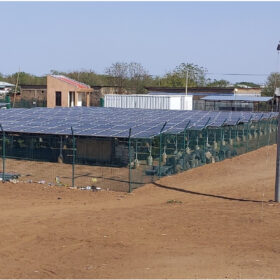
Assessing non-linear tradeoffs in photovoltaic mini-grids
Researchers in Sweden investigated the complex non-linear tradeoffs between capacity expansion costs and reliability levels of off-grid PV mini-grids and found that capacity expansion based solely on cost-minimization may result in several reliability issues.
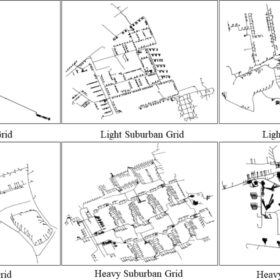
Suburban grids most vulnerable to high levels of EV, heat pump, PV
Researchers from the Netherlands have assessed the potential integration of heat pumps, electric vehicles, and PV systems into distribution grids. They have discovered that suburban grids could face a higher risk of overload. By using actual data from Dutch distribution grid operators, they believe their methodology could be applied to study energy systems in other nations.
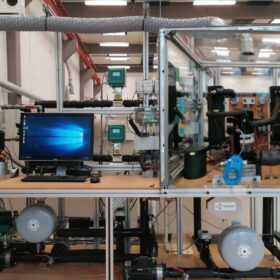
Booster heat pumps to improve efficiency of ultra-low temperature district heating
A research group led by the Technical University of Denmark has analyzed how booster heat pumps may effectively improve the performance of ultra-low temperature district heating networks in colder climates and has found that the refrigerant change plays a crucial role. They also said that powering these heat pumps with renewables may also better integrate clean sources in energy systems.
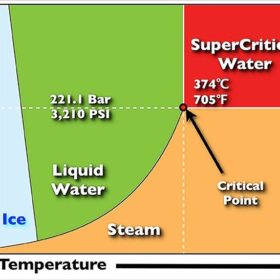
Recycling solar panels via supercritical water tech
A Brazilian research group has developed a new method that uses the unique properties of supercritical water to recycle end-of-life solar panels. The scientists claim the novel approach is able to achieve a 99.6% organic degradation, without using toxic or hazardous chemicals.
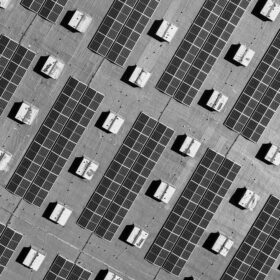
Israeli gas supplier Electra Power exits PV business
Electra Power, an Israeli energy supplier, is now in negotiations to sell its PV operations for up to $7.88 million. Last year, it reported an operational capacity of 4.7 MW and a project backlog of 25 MW.
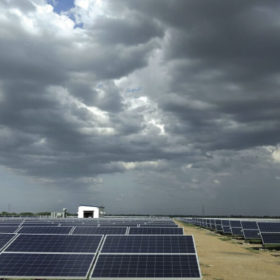
Computer vision for solar forecasts
A scientific review of solar forecasting with computer vision and deep-learning tech identifies areas for improvement and calls for more collaboration between project developers and grid operators.

Dutch students build 1,200 kg solar-powered car with 630 km range
Eindhoven University of Technology students have developed a 1,200 kg solar-powered car with a 630 km range. They said that the car is road-legal and entirely independent of charging stations.

Training deep machine learning to identify PV, solar thermal systems in aerial images
A Swedish research group has found that using deep machine learning to identify solar energy systems in aerial images may not be so accurate in non-densely populated countries such as Sweden. They have also found, however, that this technique may be trained via an iterative process and achieve satisfying results.
