
Solar to add 13 GW in Brazil in 2025 amid signs of slowdown
Brazil is expected to add 13 GW of solar capacity in 2025, according to the Brazilian Photovoltaic Solar Energy Association (Absolar), but growth appears to be slowing as curtailment, grid constraints, and regulatory uncertainty challenge new projects.
Brazil’s regulator delays decision on storage regulation amid grid tariff dispute
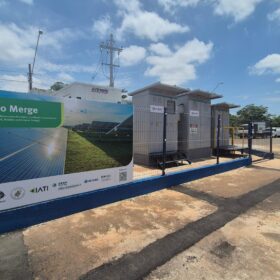
Aneel postpones ruling on energy storage tariffs, with debate focusing on transmission charge treatment and limits.

Brazil launches first sodium battery PV plant in Amazon
UCB Power and the Sustainable Amazon Foundation (FAS) have installed Brazil’s first PV plant with sodium battery storage, a 7.50 kWp/38.40 kWh system in a remote Amazonian community.
Brazil may add 36.5 GW of solar by 2029, says grid operator
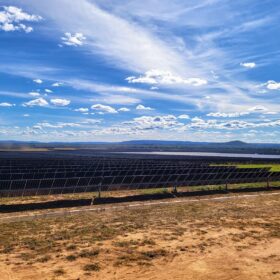
Brazil’s installed solar capacity is expected to rise from 51.7 GW in December 2024 to 88.2 GW by the end of 2029, according to the national grid operator’s 2025–29 Energy Operation Plan.

Brazilian energy storage regulation due this year, says regulator
Agência Nacional de Energia Elétrica (ANEEL), Brazil’s electricity regulator, will publish initial energy storage regulations in the second half of 2025, with two additional consultation phases set to conclude by 2028, according to rapporteur Daniel Danna.

At least 18 GW of batteries await Brazil’s planned auction
While Brazil is making progress in customer-side, “behind-the-meter” and off-grid battery solutions – with more than 700 MWh – it still lacks guidelines for a planned gigawatt-scale national auction. Markus Vlasits, president of the Brazilian Association of Energy Storage Solutions (ABSAE), tells pv magazine about the nation’s utility-scale battery bottleneck.

Brazil solar imports slow as new China trade routes open
Brazil’s solar imports fell 33% to $722 million in the first four months of 2025 amid project delays and oversupply, as new trade routes began cutting costs and freight times to the country’s North and Northeast regions.

Floating solar hits $65/MWh LCOE in Brazil, with up to 24 GW of potential
Floating solar could add 17 GW to 24 GW of capacity in Brazil, depending on pricing scenarios, while also reducing water evaporation by up to 50% and conserving water for hydroelectric generation, according to a new study.

Brazil generates 88% of power from renewables in 2024
Brazil’s electricity mix was 88% renewable in 2024, with wind and solar supplying about 24% of total demand, according to new data from state-owned energy agency Empresa de Pesquisa Energetica (EPE).
A critical moment for Brazilian energy storage
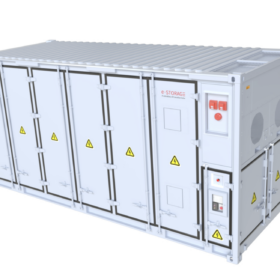
A national procurement round for energy storage systems, planned in the second half of the year, is at risk of lengthy delay just as the grid operator is being forced to curtail large volumes of excess clean electricity.
