Marija Maisch


Power Ledger, Japan’s Kepco extend blockchain energy collaboration
Japanese utility Kansai Electric Power has extended a demonstration project with Australian P2P energy pioneer Power Ledger to track renewable energy certificates and trade PV-generated electricity.
Investors learn about Tasmania’s green hydrogen potential
The Australian state of Tasmania has approached international investors to present its unique potential for the production of hydrogen from renewable sources, as it aims to position itself at the forefront of the nation’s green hydrogen push.
Construction begins at Hydrogen Park South Australia
The transformation of South Australia’s energy system has taken another step forward with early site works at a green hydrogen facility near Adelaide. The plant will integrate what is billed as Australia’s biggest electrolyzer of its kind.
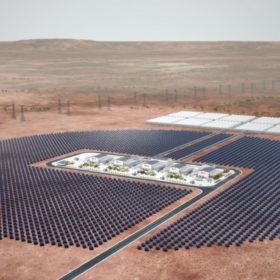
Australia’s 1414 Degrees to supply abandoned Aurora CSP site with PV, thermal storage
Adelaide-based storage specialist 1414 Degrees has announced plans to acquire SolarReserve Australia II, which owns the Aurora Solar Energy Project in South Australia and two other PV projects in the state of New South Wales. The company wants to use the Aurora site to build a massive 400 MW solar farm with several thousand megawatt-hours of thermal storage capacity.
Ofgem’s plan for network charges triggers renewables sector backlash
Ofgem passed its long-awaited, controversial plan for network charges last week, despite earlier warnings against the move. The UK electricity market regulator’s Targeted Charging Review has provoked a backlash in the renewables sector, as many believe that the plan will damage the economics of distributed energy resources and unsubsidized onshore wind and solar development.
PV investment confidence continues to slide in Australia
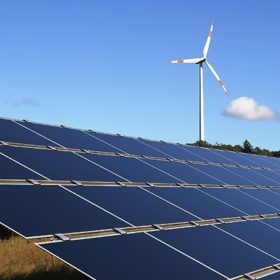
A new survey by the Melbourne-based Clean Energy Council shows that confidence in new clean energy investment has continued to weaken over the past six months. While a majority of Australian industry representatives expect to hire more people over the next 12 months, the biggest challenges to developing new projects remain unchanged, with the grid connection process, technical requirements, and policy uncertainty at the top of their list of concerns.
Macquarie to power global operations with 100% renewables by 2025
The Australian investment bank has become the latest company to sign The Climate Group’s RE100 initiative, bringing it into a growing pool of businesses that are focused on the global energy transition.
Solar electricity can retail for $0.027-0.036/KWh as renewables close in on global grid parity
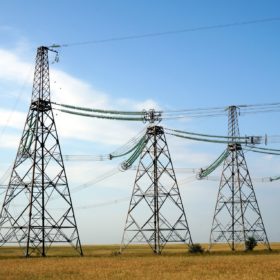
The latest figures released by BloombergNEF show new solar and onshore wind power plants have reached parity with average wholesale prices in California, China and parts of Europe. The technologies are winning the race to be the cheapest sources of new generation for two-thirds of the world’s population.

Siemens backs 5 GW green hydrogen plan for Australia
A massive green hydrogen production project has been unveiled in Western Australia with Siemens on board as technology partner. The location has been touted as Australia’s best for solar and wind power generation potential.
Australia’s Horizon to replace overhead network with solar and batteries
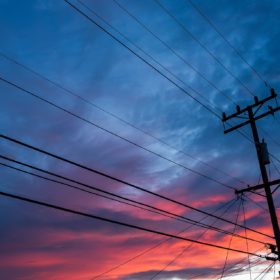
A recent project milestone saw the disconnection of properties from overhead lines and will enable 64km of poles and wires to be replaced by off-grid solar-plus-battery solutions.
