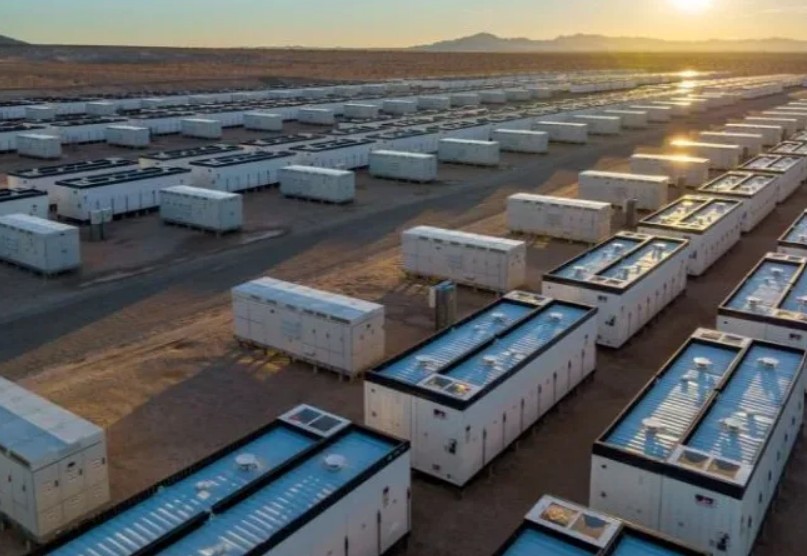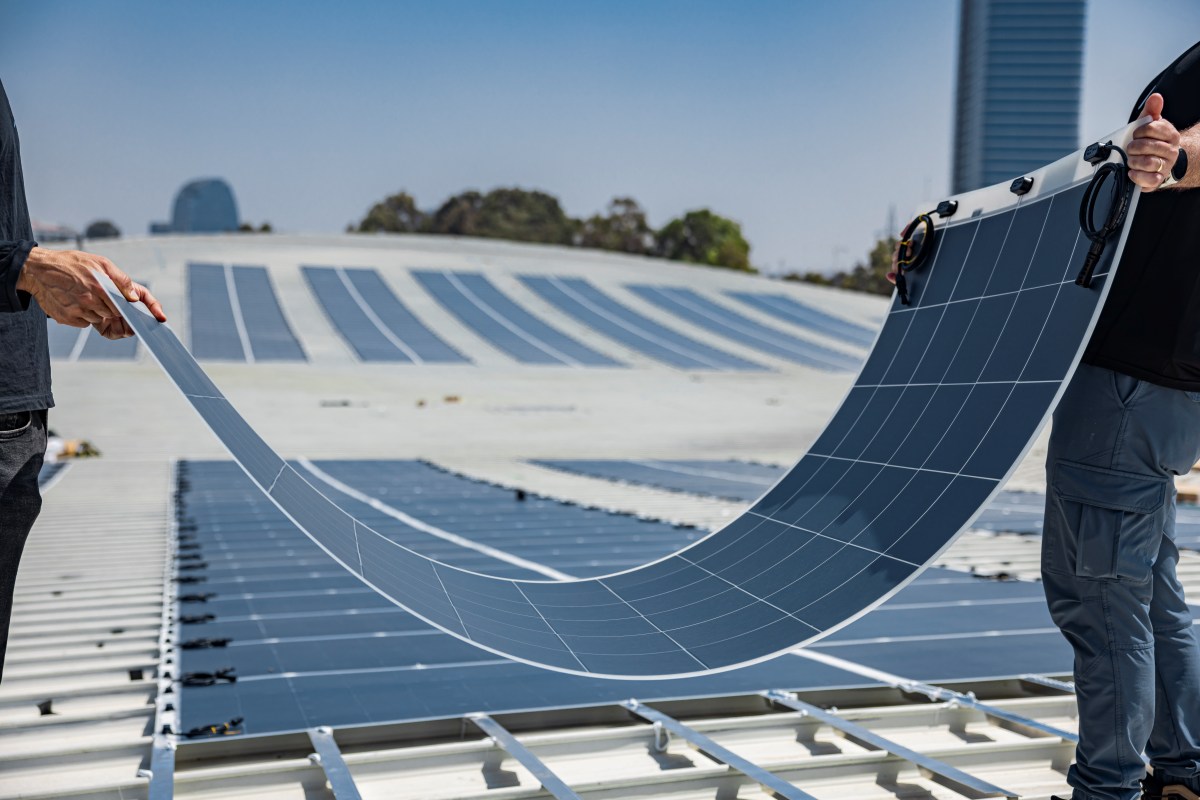
Maintaining grid stability becomes more challenging as the share of intermittent renewables grows in the electricity generation mix, but system resilience is essential to continued solar deployment. Grid-forming inverters offer a solution, and their capabilities are increasingly being tested and relied upon in key energy markets globally.
Strategic agreement will see California-based renewables developer ramp up sodium-ion battery deployment. Deal follows Alsym Energy entering 8.5 GWh partnership with iron flow battery business ESS.
Project owner told ESS News that fire at one of the UK’s oldest grid-scale BESS projects was caused by fault with nickel manganese cobalt (NMC) technology used in some early UK BESS projects. The fire occurred days before scheduled augmentation to upgrade Rufford Colliery BESS site.
March 2026 saw a return to installation volumes not seen since 2012 as rooftop and large-scale deployment drove UK solar to a new milestone. Even greater monthly installation volumes are expected as further government support kicks in.
Enviromena announces a £825 million ($1.1 billion) senior portfolio financing package, providing immediate capital to support the buildout of a 1 GW pipeline. The credit facility was underwritten by a group of institutional investors.
Solar set a new generation record on Great Britain’s electricity grid during a week that also saw zero-carbon supply reach an all-time high. The new records come as the grid operator expands demand-side flexibility markets in anticipation of lower summer demand driven by strong solar irradiance.
UK solar plants without fixed-price contracts will be offered voluntary long-term fixed-price agreements under a new “Wholesale Contracts for Difference” regime from 2026. The policy seeks to reduce exposure to volatile wholesale prices driven by gas.
The 800 MW PV project with battery storage has been granted planning approval by the Energy Secretary, despite local councils and campaigners raising objections. Springwell Solar Farm expected to connect to new National Grid substation being built to accommodate flurry of local grid-scale solar projects.
The UK government is proposing stronger cybersecurity rules for electricity and gas sectors, prompted by recent attacks on European energy infrastructure, including a recent incident involving solar power plants in Poland. The plans would extend baseline cybersecurity requirements to all licensed energy organizations and could also adjust compliance thresholds under NIS regulations.
Low Carbon Hub plans to add battery energy storage system (BESS) to existing solar plant. The developer is offering shares in what’s thought to be the first community-owned co-located battery in the United Kingdom.
This website uses cookies to anonymously count visitor numbers. View our privacy policy.
The cookie settings on this website are set to "allow cookies" to give you the best browsing experience possible. If you continue to use this website without changing your cookie settings or you click "Accept" below then you are consenting to this.