Author

Ev Foley
Ev joined pv magazine Australia in 2024 and reports on Australia and the Asia-Pacific’s energy transition documenting the work and innovation of researchers, developers, investors, manufacturers and communities. Ev has previously worked as a journalist in the UAE, Singapore, the USA.
Advertisement
Articles written by Ev Foley


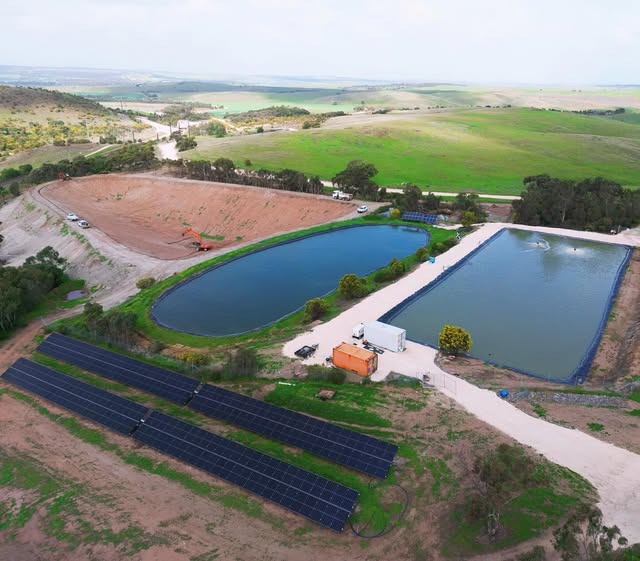
Australian off-grid PV system keeps high energy utility running 24/7
A water treatment plant in South Australia has installed a containerised off-grid power system in an area with no grid connection that ensure its energy needs are met, and essential water movement and filtration processes run continuously.
Advertisement

Australian grid operator trials C&I rooftop solar initiative to share energy benefits with renters
Ausgrid is rolling out a trial to turn commercial and industrial rooftop solar surplus into an opportunity to share energy with consumers without solar access, such as neighbourhood renters and apartment dwellers.

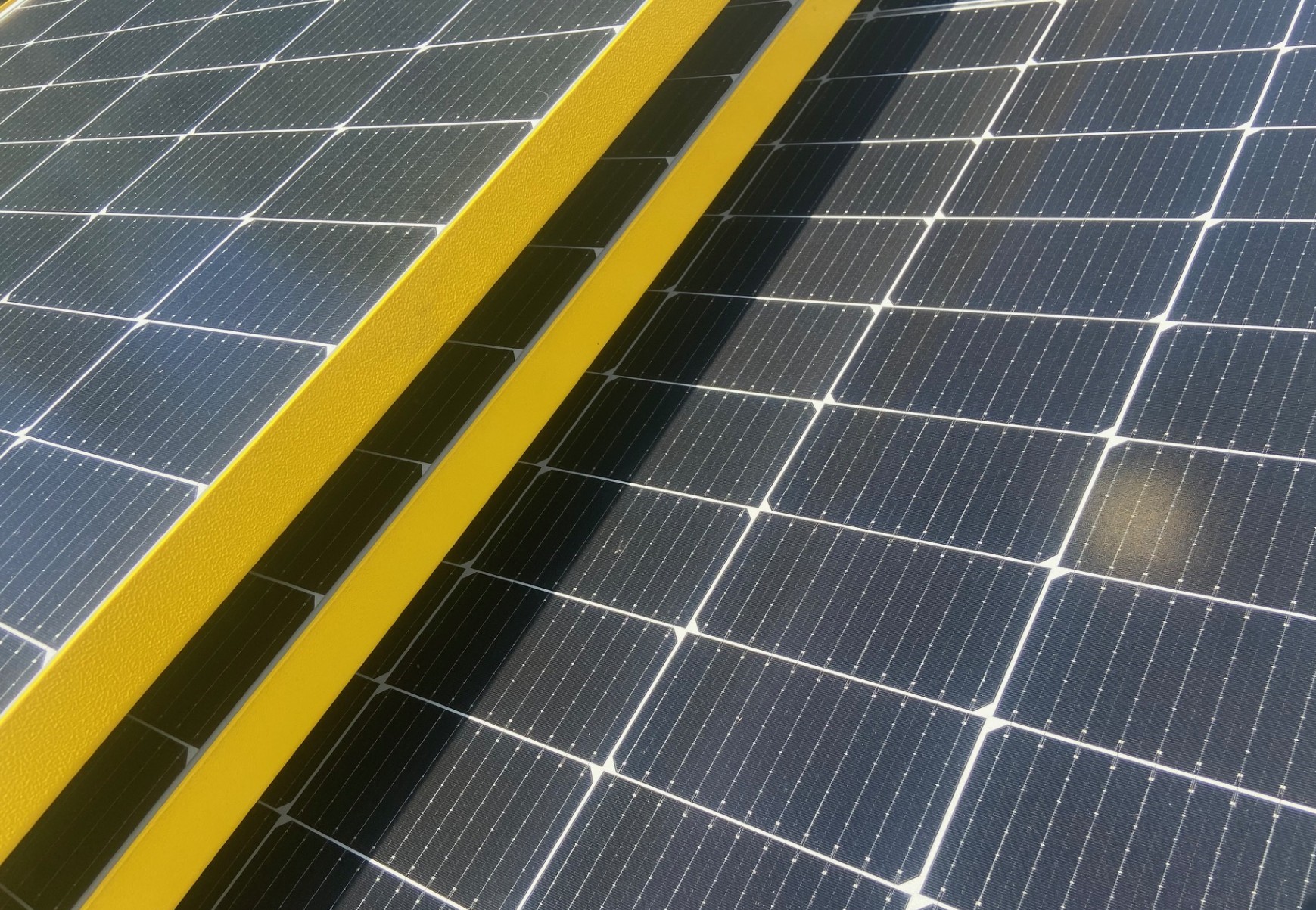
Australia continues heavy investment in solar research
The University of New South Wales has secured AUD 64.8 million ($46.6 million) from ARENA for 12 ultra-low-cost solar research projects, its largest single investment in photovoltaic research. The projects span tandem and perovskite technologies, AI-driven materials discovery and solar farm operations, module durability, advanced manufacturing, and next-generation cell efficiency.
Advertisement

Hiring more women deemed a remedy to energy transition workforce shortages
A new report released by Powering Skills Organisation has found a shift in workplace culture could open the door to a significant number of underutilized workers who are women, First Nations and culturally or linguisitically diverse people.

Advertisement