Max Hall

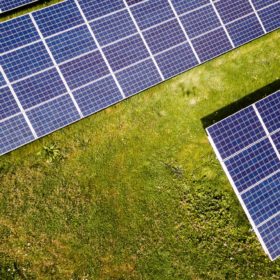
Module and shipping cost inflation could cost the world 50 GW of solar next year
The input costs of the two biggest contributors to solar plant development expense have gone through the roof since the world began to come out of Covid-19 lockdowns, to leave project developers with some difficult choices.

GCL has no record of performing due diligence on lender which walked away with $120m of its stock
An investigation into internal controls at the polysilicon maker found the company permitted deals to be signed off solely on paper in certain circumstances and also unearthed no evidence anyone had done their homework before handing over 865 million shares to secure a loan which, GCL says, never materialized in full.
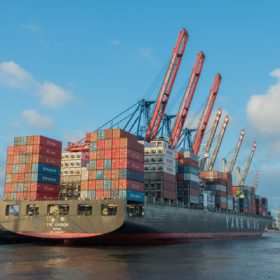
Morocco + green hydrogen could be at heart of sustainable shipping revolution
With green hydrogen needed to produce the ‘e-ammonia’ required for carbon-free vessels, new clean power generation capacity and potential solar power hotspots near international shipping lanes will be crucial.
Solargiga reports nine-month figures
Shipments and revenue both rose in the first three quarters, for a company which this year announced the painful consequences of winding down its cell manufacturing operation were behind it.

‘UK government should incentivize solar, not heat pumps’
One PV installer in Wales said he has experienced a 1,000% surge in demand for solar panels as rocketing gas prices have forced small energy suppliers in the U.K. to the wall and created uncertainty in households.
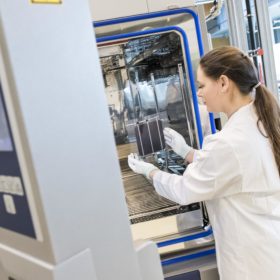
Perovskite solar pioneers honored with prestigious prize
The work undertaken separately by seven academics to discover the promise of perovskite materials for solar, and to open the door to high-efficiency devices, has been recognized by the judges of the Rank Prize for Optoelectronics.

Philippines developer offers PV sites to rivals in bid to kick-start solar parks
Makati-based Solar Philippines has said it saw the potential of solar six years and is now aiming to help other companies accelerate the nation’s energy transition.

China can ensure a 1.5C world – and continue to dominate the global clean energy supply chain
A report by the IEA laying out two routes for China to reach net zero attempts to persuade policymakers to gun for that goal by 2050, rather than ten years later, and dangles the prospect of continued global dominance as the main reward on offer.
GCL accepts it has lost 865 million shares in its solar project business
An investigation into the financier which promised to lend the polysilicon company’s solar project development arm $60 million two years ago, has turned up nothing more than an address in St Kitts and Nevis and allegations of fraud against one of its key personnel.

European Commission hints at solar module carbon footprint standards
A consultation process examining whether legislation is required to ensure the eco credentials of panels and inverters is focusing on eco-design and energy labeling but has also made mention of the need for less carbon intensive manufacturing.
