Patrick Jowett

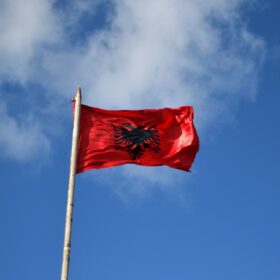
Albania adds over 180 MW of solar in 2025
Albania’s cumulative solar capacity now likely stands between 600 MW and 650 MW, with installations to date led by the utility-scale segment and growing interest from the C&I market.
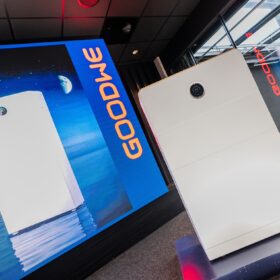
GoodWe introduces low-noise all-in-one storage system for rooftop PV
The three phase energy storage system encompasses the inverter, battery and energy management into a single system, suited for residential customers and scalable to the small-scale commercial and industrial market.

Russia adds around 100 MW of solar in 2025
GlobalData says Russia added an estimated 100 MW of solar last year, taking total installed solar to around 3.1 GW. The consultancy is forecasting annual additions of about 200 MW over the next ten years, taking the country’s cumulative solar capacity to 5.3 GW by 2035.
Debt-laden South African municipalities may turn to solar-plus-battery backup solutions
Eskom says it is issuing notices against around 14 municipalities in South Africa over outstanding municipal debts. The company warns that if the municipalities do not take corrective action, it will take credit control measures that may include interrupting electricity supply at predetermined times.
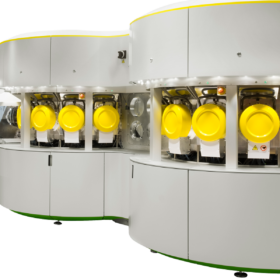
Midsummer secures second order for CIGS production line equipment
Swedish thin-film solar manufacturer Midsummer has secured its largest-ever order for production equipment, covering a complete solar cell factory. It follows an initial order in May 2025 for a 15 MW line producing thin-film copper, indium, gallium and selenide (CIGS) solar cells.
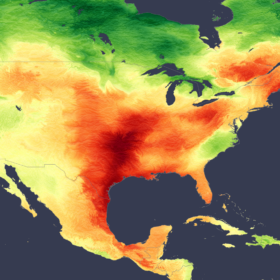
Winter weather splits solar conditions across North America
In a new weekly update for pv magazine, Solcast, a DNV company, reports that destabilized polar circulation in February produced wet and cloudy conditions in some parts of North America, while the central and eastern regions enjoyed elevated irradiance under clearer conditions.

Freight costs increase following military strikes in the Middle East
Freight costs from the Far East to the U.S. and Europe have increased week-on-week, while almost 150 container ships currently unable to leave the Arabian Gulf due to the risk of sailing through an active conflict zone, according to analysis from ocean and freight rate benchmarking platform Xeneta.
Japan adds 5.8 GW of solar in 2025
Estimates indicate Japan added between 5.8 GW and 6 GW of solar last year, likely taking the country past 100 GW of cumulative solar capacity. Last year’s installations were led by the commercial and industrial market, while the residential sector also saw increased demand.

European Commission proposes Made in EU requirements for solar inverters, cells
The Industrial Accelerator Act says solar projects awarded through public procurements or other public support schemes would need to feature Europe-made solar inverters and cells within three years after the act becomes law. For battery energy storage systems, similar requirements would be introduced using a phased approach from one year after the act enters force.
EU opens third cross-border solar tender
The EU’s third cross-border solar tender is offering a share of €54.9 million ($63.8 million) to solar-plus-storage projects in selected Bulgarian districts and ground-mounted solar projects in Finland, with funding provided by Luxembourg. The deadline for applications is September 1.
