Latest analysis by UK consultancy GlobalData expects annual solar additions in the Netherlands to reach between 4.5 GW and 5.5 GW through to 2035.
The Ihma Dam solar project is South Korea’s largest floating PV array located alongside a multi-purpose dam. The project features a resident-participation model allowing those living within a one kilometer radius to share profits from its power supply.
Engineers at the Massachusetts Institute of Technology say their polymer coating could be used to protect photovoltaic modules, due to its impermeability to gases. The team has demonstrated that a 60-nanometer-thick film can extend the lifetime of a perovskite crystal by several weeks.
Thailand’s Ministry of Energy says it is advancing a community solar plan to add up to 1.5 GW of capacity through small ground-mounted projects selling power to local consumers at THB 2.25 ($0.07)/kWh under long-term contracts.
The International Energy Agency (IEA) said global solar capacity additions are projected to average 540 GW a year through 2035, as outlined in its World Energy Outlook 2025 report.
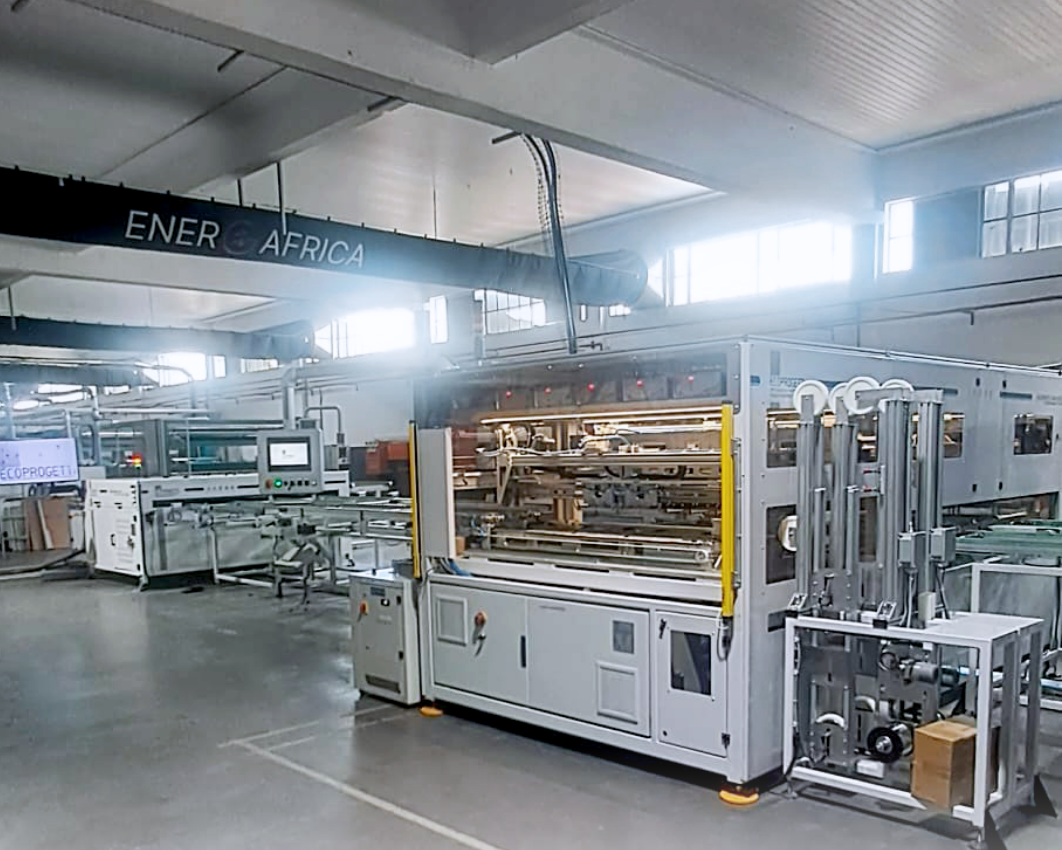
mPower Technology Inc. has switched on an automated production line for its silicon solar panels designed for space missions. The site currently has an annual capacity of 1 MW, set to double by the middle of 2026.
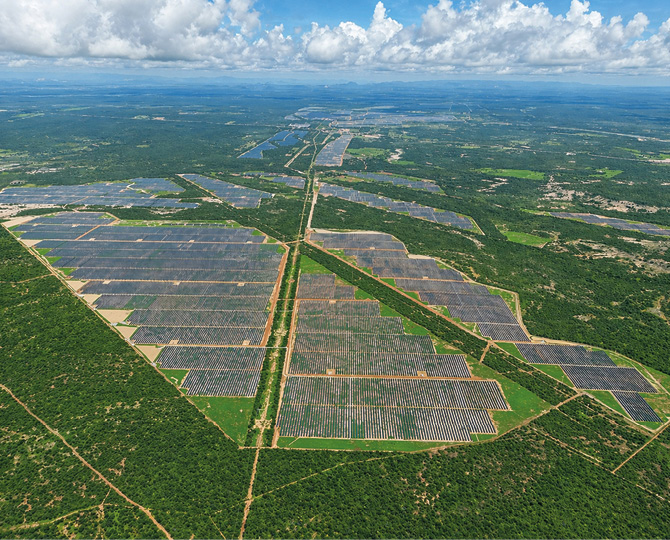
Ghana has begun building the 200 MW Norbert Anku solar park, its largest renewable investment to date, with plans to expand the project to 1 GW by 2032.
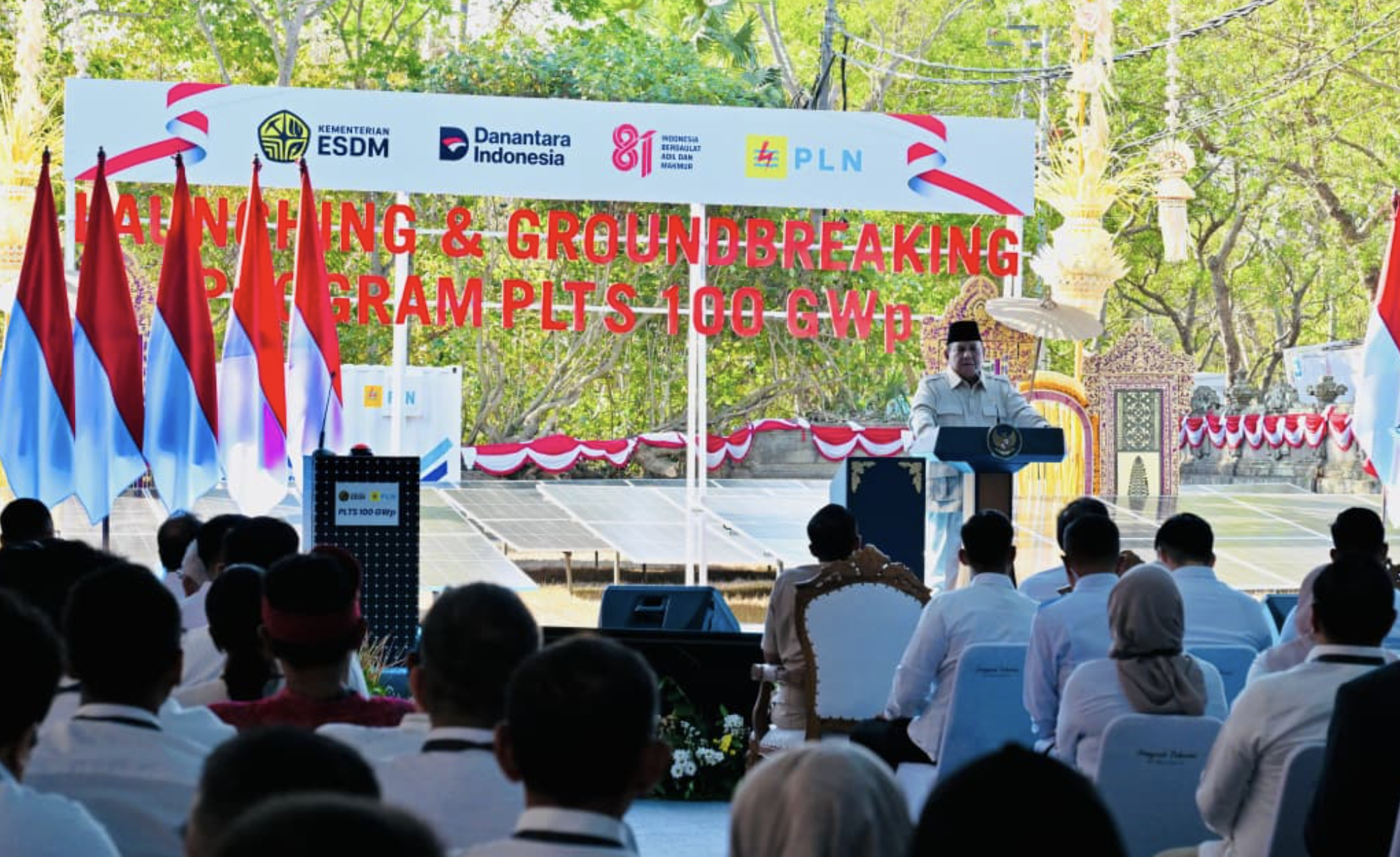
UK consultancy GlobaData projects Indonesia will surpass 1 GW of cumulative solar capacity this year, before growth accelerates towards 9.1 GW by the end of the decade and 23.2 GW by 2035.
The solar carport in Apeldoorn, central Netherlands, will feature over 5,300 circular solar panels covering an area of two hectares. It will offer space for 925 vehicles underneath a supporting structure made of wood and recycled steel.
A 2 MW solar park in Wallonia, Belgium, will rely 50 kW of hydrogen-producing solar modules developed by Solhyd, a spin-off from KU Lueven. The installation will be the first demonstration of Solhyd’s technology at a commercially-relevant scale.
This website uses cookies to anonymously count visitor numbers. View our privacy policy.
The cookie settings on this website are set to "allow cookies" to give you the best browsing experience possible. If you continue to use this website without changing your cookie settings or you click "Accept" below then you are consenting to this.