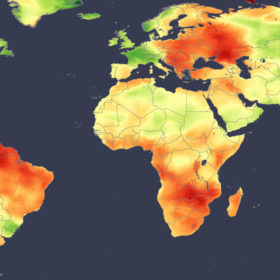
2024 delivers mixed solar outcomes despite heat records
In a new weekly update for pv magazine, Solcast, a DNV company, reports that variations in weather patterns, including El Niño and regional droughts, shaped solar energy performance worldwide last year.

Curtailing solar photovoltaics is here to stay, overbuilding PV will become normal
As the penetration of variable renewable energy increases, curtailment of solar PV generation will only increase. Since curtailment will almost always be cheaper than investing in new transmission capacity or new grid-scale storage, curtailed energy should be rewarded, so that PV investment decisions can include curtailment as one of the flexibility options for grid operators.
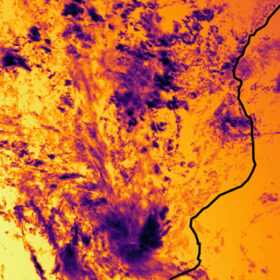
Eyes in the sky: Meteosat third generation set to improve solar forecasting
In a new weekly update for pv magazine, Solcast, a DNV company, reports that the Meteosat Third Generation (MTG) satellite is now beginning operational testing. The new satellite will offer sharper and more detailed, frequent imagery, providing a significant boost to solar irradiance estimates.

‘Never underestimate the power of a strong network’
This week, Women in Solar Europe (WiSEu) gives voice to Carol Murphy, Head of Independent Engineering for Onshore Renewables at UK-based OWC. She say, with more women joining the solar sector, it’s easier than ever to connect with peers across roles and organizations. “To any woman looking to enter this field, my advice would be to persevere. No matter the obstacles you encounter, if you’re passionate about a career in solar, there is a place for you,” she states.
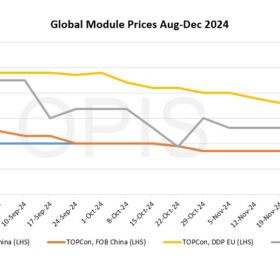
Global solar module prices stable-to-firm as markets wind down for year end
In a new weekly update for pv magazine, OPIS, a Dow Jones company, provides a quick look at the main price trends in the global PV industry.
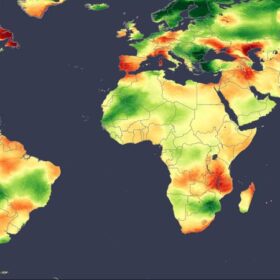
Christmas Day forecast delivers solar surprises for some
In a new weekly update for pv magazine, Solcast, a DNV company, reports that, while much of the Americas will see cloudier weather than normal for the season, particularly in the eastern United States and parts of central Brazil, Europe’s solar outlook is split with high pressure over central regions bringing clearer skies to the Iberian Peninsula. Across Asia, cloud cover is expected for India and the Far East, while Australia’s northern and eastern regions are likely to enjoy abundant sunshine.

Solar advances across MENA region
The fossil fuel rich Middle East and North Africa (MENA) region faces mounting pressure to diversify its energy mix. While solar is cheap, it faces significant sociopolitical and economic challenges.

Shift to 2 kV voltage in solar projects tipped to gain traction
Amid record-low prices for solar modules, the focus of cost reduction for utility-scale solar projects is shifting to non-module balance-of-system (BoS) expenses. A transition from 1.5 kV voltage to 2 kV in solar projects is expected to gain traction through 2030.

Solar trade headwinds
Prices across the solar supply chain remained in bearish territory into the fourth quarter of 2024. Trade and regulatory developments have continued to preoccupy the industry and dampen trading activity.

‘Equity requires addressing structural barriers in hiring and promotions’
This week, Women in Solar Europe gives voice to Eyerusalem Mekuria Wondemu, Project Engineer at Switzerland’s Gruner Stucky SA. She says changes in career paths are slow due to entrenched cultural norms and unconscious prejudices, but growing advocacy and representation drive progress. “Mentorship, continuous learning, and networking are critical,” she states.
