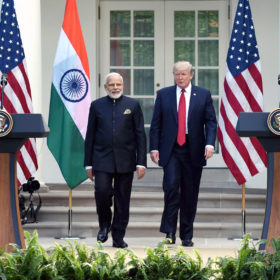
India rejects U.S. solar claim at WTO
India hit back on Monday at Washington’s latest legal assault on its solar power policies at the World Trade Organization, rejecting a US legal claim and exploring possible new protection of India’s own solar industry.
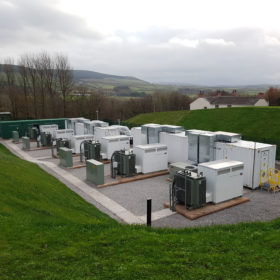
NES’s 50 MW UK energy storage project operational
NEC Energy Solutions (NEC ES) has announced its 50 MW energy storage project in the U.K. with VLC Energy, is fully operational.
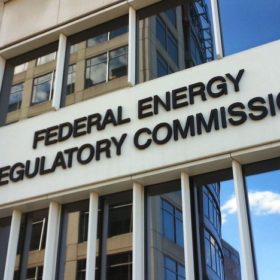
BREAKING: US regulators terminate coal, nuke bailout proceeding
Federal regulators have rejected orders from Energy Secretary Perry to design open-ended subsidization of coal and nuclear power plants, and are initiating a new proceeding to look into reliability matters.
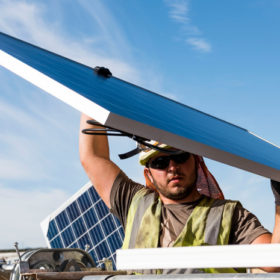
US: 43.5 GW of utility-scale solar proposed through 2020
While the U.S. Federal Energy Regulatory Commission (FERC) continues to struggle with reporting accurate data on existing solar, it has recorded a large volume of proposed projects over the next three years.
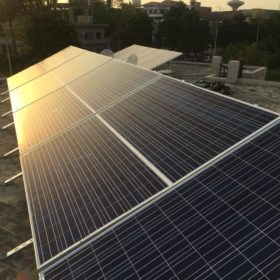
Pakistan updates net metering scheme, unveils clean energy investment program
Pakistan has updated its 2015 net metering scheme to make it more user friendly. The Government of Punjab, meanwhile, has unveiled a new Access to Clean Energy Investment Program, aimed at installing over 20,000 solar PV rooftop systems.

Cuba’s PV capacity reaches 65 MW
In 2017, around 32 MW of new PV systems were connected to the grid of the Caribbean country, accounting for almost half of cumulative capacity.

Saudi Arabia announces shortlist for 300 MW tender, excludes lowest bid
Shortlisted bidders are Saudi energy company, ACWA and Japanese trading company, Marubeni, which submitted the second and third lowest bids, respectively. The lowest bid, which was proposed by consortium formed by UAE-based Masdar and French energy giant, EDF and could have become the world’s cheapest offer for solar energy, was excluded from the auction.

South Sudan could reap immediate benefits from solar– report
The United States Institute of Peace (USIP) has proposed a “green pivot” for South Sudan, where solar energy could help decouple economic growth from the geopolitics of oil and gas. In a special report, it has identified three opportunities where solar could yield benefits. A donor-led transition is required.
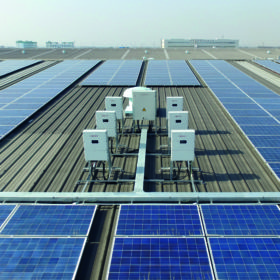
China grid connects over 500 MW DG solar in one day
Following the surprise removal of a grace period for PV rooftop projects last month, China reportedly saw over 500 MW of DG solar grid connected on December 29, after developers worked to secure 2017 FIT rates. Overall, EnergyTrend estimates DG capacity to be over 19 GW in 2017.
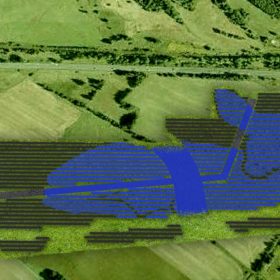
Polski Solar to build 10 MW deer-shaped PV plant in Poland
The solar park is being developed as an “energy cluster” in the frame of the recent reform of Poland’s Renewable Energy Sources (RES) Act.
