COP27 was a crucial step forward for hydrogen – here’s why
Three import deals signed by the EU at Sharm El Sheikh during this month’s COP27 summit show the European Union is serious about harnessing green hydrogen for its heavy industry, and about distributing the fruits of the energy transition on an equitable basis.
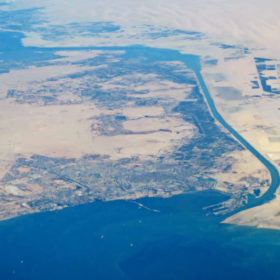
The Hydrogen Stream: Egypt to host 3.6 GW of electrolyzers at Suez Canal
Globeleq has revealed plans to build a green hydrogen facility in the Suez Canal Economic Zone, and Air Liquide has agreed to run a hydrogen production unit for TotalEnergies in France. Doosan Fuel Cell, meanwhile, has said it will export 105 MW of hydrogen fuel cells to China by 2026.
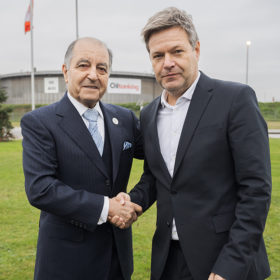
The Hydrogen Stream: Germany to import green ammonia from Saudi Arabia from 2026
Germany has decided to build its first green ammonia import terminal in Hamburg, in collaboration with Air Products. Egypt, meanwhile, has signed $85 billion of hydrogen framework agreements.

Is hydrogen about to have its solar moment?
As Longi and other solar manufacturers kick off massive growth in hydrogen generation capacity, expect large price decreases resulting from steep learning curves, echoing the rapid advances experienced by the solar power industry since the 1970s.
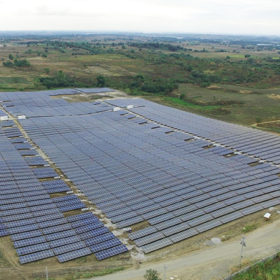
Indonesia’s 3.5 GW solar megaproject set sights on green hydrogen
Australian independent power producer ReNu Energy has signed a deal with the developers of a proposed 3.5 GW solar-plus-storage facility in Indonesia to explore the potential large-scale production of green hydrogen for supply into Southeast Asia and beyond.
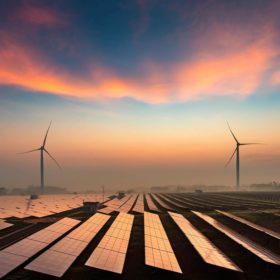
Denmark, Sweden, Finland could add 12.8 GW of solar by 2030
The Nordic region is set to become a European renewables powerhouse, according to Rystad Energy. It says Finland, Sweden and Denmark could collectively install up to 12.8 GW of new solar by 2030.
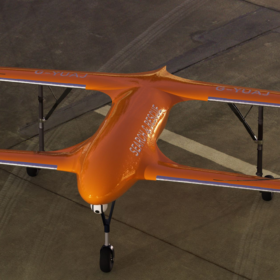
The Hydrogen Stream: GKN Aerospace delivers ground-based liquid hydrogen fuel system demonstrator
GKN Aerospace has demonstrated the feasibility of using a liquid hydrogen fuel source to increase the endurance of uncrewed aerial systems (UAS) for search and rescue. Germany, meanwhile, has announced €550 million ($572 million) of fresh funding for hydrogen projects across the world.
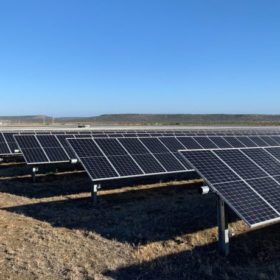
Fortescue plans 10 GW wind-solar hub for green hydrogen in Australia
Fortescue Future Industries has revealed plans to work with Windlab to develop a renewable energy “Super Hub” in Australia.
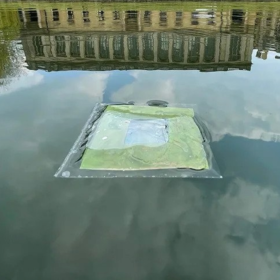
Floating ‘artificial leaf’ for solar-to-hydrogen production
University of Cambridge scientists have developed lightweight floating photocatalyst devices that produce green hydrogen and syngas. The leaf-like photoelectrochemical devices show potential for scalability.
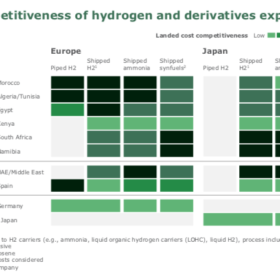
The Hydrogen Stream: Africa could become key green hydrogen market by 2050, says Masdar
Masdar says Africa’s annual hydrogen exports could hit 40 million tons by 2050, while Israeli researchers have published a new study on the discharge characteristics of oxidized intermediates formed under water photo-oxidation conditions.
