
Colombian oil giant Ecopetrol goes solar with 10 MW project
The state-owned oil company has decided to power one of its fields with a solar park. The tender for the project will be launched in the fourth quarter. A renewable energy plant portfolio of around 140 MW may be built by Ecopetrol.
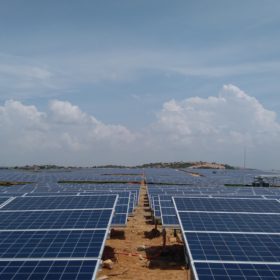
India’s cumulative grid connected solar capacity reaches 22 GW
According to the latest figures from the MNRE, cumulative grid-connected ground-mounted solar PV capacity has reached 22 GW in India, with 1.3 GW connected between this April to July. Module prices, meanwhile, are said to have come down “considerably”.

Brazil’s PV capacity tops 1.6 GW
At the end of June 2018, according to official statistics, large-scale solar capacity reached 1,307 MW, while the share of distributed PV generation (up to 5 MW), was 296 MW. Of the total capacity, 1.36 GW was connected to the grid in the last 12 months.
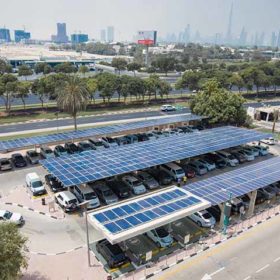
Requests to access solar net-metering in Dubai reach 323 MW
To date, 50 MW of net-metered solar power arrays have been connected to the grid in the Emirates. One of the latest is a 2 MW PV carport at the headquarters of the Dubai Electricity and Water Authority (DEWA) and at the Ministry of Climate Change and Environment (MOCCAE) building.
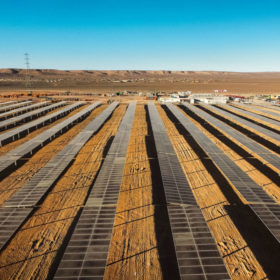
Peru introduces net metering, new DG rules for RE up to 10 MW
The Peruvian Government has submitted to public consultation the draft of Supreme Decree for the regulation of distributed generation (DG), which is the secondary legislation necessary to implement the DG law first promulgated in 2015. Talking to pv magazine, the president of the Society of Peruvian Renewable Energy explains how the new rules will not only introduce a net-billing scheme for installations up to 200 kW, but also a scheme for projects up to 10 MW, which is very similar to the so-called Pequeños Distributed Generation Media (PMGD) program in Chile.
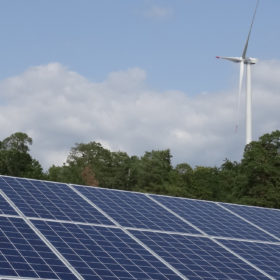
When the wind doesn’t blow don’t worry, the sun shines
The heatwave across Western Europe saw wind power 20% lower than usual while solar irradiance was 20% above average, according to Vaisala, a provider of measurement systems and equipment for meteorology. If this balancing effect is confirmed by further analysis, the technologies may ensure future energy supply by providing a diversified, ‘climate-resilient’ portfolio.
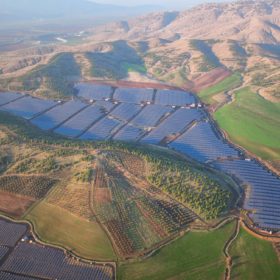
Mixed reaction from solar industry to plunging Turkish currency
As the lira’s troubles continued to weigh on the markets today, it remained unclear how the country’s solar market will be affected. While the plunging currency fosters uncertainty – public enemy number one for investors – it could also create conditions for lower system costs and cheaper PV projects. Nevertheless, a serious slow-down for 2018 must be considered.

Renewables body hails introduction of solar to UK capacity market
Solar – and wind – will finally bring an element of environmental consciousness, and value for money, to the system charged with keeping the lights on in Britain. Is PV finally shaking off long-held fears about its intermittent nature?

Temporary halt to Indian safeguarding duties on imported modules
The stay on the newly-proposed duty imposed by the Odisha High Court will offer relief to developers waiting to collect shipments from port. But companies must agree to pay the tariff at a later date if it is upheld by the judicial system.
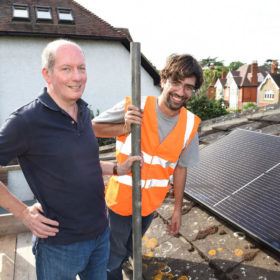
Group buying could make up for UK loss of export payments
With a group purchasing program securing hefty discounts for British households – and attracting thousands of potential customers as a result – solar has a viable business case no matter what further cuts the government throws at the industry.
