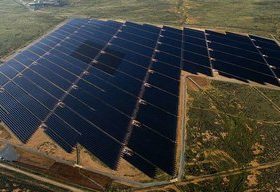
Australian outlook: solar’s impact felt across range of energy metrics, data shows
Rooftop and large-scale solar contributed to estimated 1% reduction in total power consumption in 2016, prompting 1.3% fall in greenhouse gas emissions and rising share of renewables on the grid.

India’s installed renewable energy capacity surpasses 50 GW
Data from the Ministry of New and Renewable Energy analyzed by Mercom Capital Group shows India’s renewable energy installations have crossed 50 GW, setting the country on course to meet its 2022 goal.

Brazil surpasses 60 MW of solar under net metering
Installations are increasing under net metering. Last year 45 MW was added under the program.
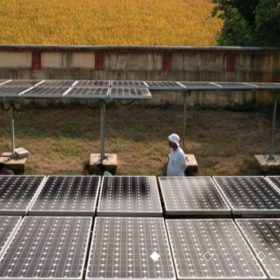
Tata Power Solar reaches 1 GW module shipment milestone
The solar arm of the industrial giant becomes the first Indian company to surpass 1 GW of global PV module shipments, shipping 60% of that figure over the past five years.
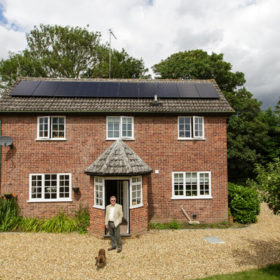
European solar demand fell 20% in 2016, says SolarPower Europe
While global solar power demand increased 50%, new European installations were down 20% compared to 2015, falling to 6.9 GW of new capacity on the continent.

BREAKING: SolarCity brand to disappear
Along with changing its name from Tesla Motors to Tesla Inc. the electric vehicle and battery maker will eliminate the SolarCity brand.
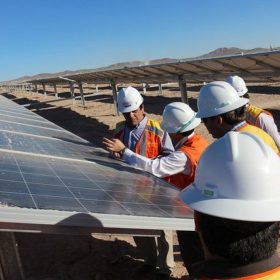
Solar and EVs to grab 10% of fossil fuel market share within decade, says study
Carbon Tracker and Imperial College London report calls solar power and electric vehicles ‘game changers’ whose potential impact is consistently underestimated by large utilities.

Enphase job losses to largely impact Californian HQ
Around 75 jobs will be lost during the microinverter specialist’s restructuring drive, which reflects increased price pressure across the segment, both globally and in the U.S.

Mexico to reach 460 MW of distributed solar by the end of 2017
It is estimated that last year more than 100 MW was installed in the segment. With the new distributed generation regulation they believe that new business models will lead to a notable increase in the market his year.
Germany installs 450 MW of solar in December
End of year surge in installations pushes annual total towards 1.5 GW – a slightly higher figure than that recorded in 2015. Tumbling module costs in Europe have aided this upturn, with small-scale solar installations predominant.
