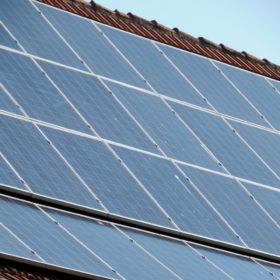
Net-metered rooftop PV on the rise in Malaysia
Sustainable Energy Development Authority figures show the country saw around 94 MW of new rooftop generation capacity added in the first 11 months of last year. That compares to less than 14 MW in the previous three years.
Grid-connected solar outpacing remote installations in Bangladesh
Industry figures indicate the expansion of the Bangladeshi grid is hitting demand for the solar home systems which have traditionally generated power for homes formerly out of reach of the electricity network.

AECEA says China will add up to 31 GW of solar this year
The analyst expects the final figure for new PV generation capacity in 2019 to top out at 20-24 GW thanks to the delayed introduction of a new solar policy, land scarcity, financing problems and grid connection issues. There are clouds on the horizon too, with China set to remain wedded to coal for the foreseeable future.
Solar-plus-storage will start to make big inroads in the year ahead
By this time next year we may be able to wave goodbye to that old chestnut about renewables endangering security of supply. Elsewhere, the price of lithium – and the products it goes into – could go either way after tanking this year.
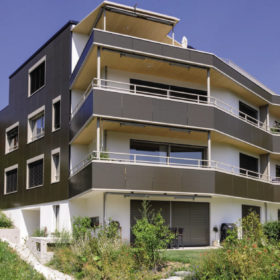
BIPV: More than the module
Building integrated PV has been described as a place where uncompetitive PV products attempt to go to market. But this may be unfair, says Björn Rau, the technology manager and deputy director of PVcomB at the Helmholtz-Zentrum Berlin. Rau argues that the missing link to BIPV deployment lies at the intersection of the architectural community, construction industry, and PV manufacturers.

The year in solar, part IV: More storage and hydrogen advances as solar just kept getting cheaper
Battery innovations started to come thick and fast this quarter as the hunt for alternatives to lithium-ion intensified and the latest slew of solar tenders indicated the relentless pressure on solar power generation costs was showing no sign of abating.
The year in solar, part II: A lively show season, more legal shenanigans and rising panel efficiencies abound
Intersolar Europe is always a key date in the solar calendar but this year’s show had it all, including three panel-smuggling arrests. Elsewhere, wafers were getting bigger, efficiency records were tumbling and new technologies were emerging. There was also more news on the solar car ports fad and Hanwha’s ongoing legal tussle.

The year in solar, part I: New modules, flat-pack solar and inverter turbulence
The first part of pv magazine’s review of 2019 considers Q1, when solar early adopter Italy offered an optimistic start to the year by fleshing out its plans for PV but uncertainty still clouded the world’s biggest solar market. The potential for household solar installations to rocket the world over – helped by ever cheaper panels – prompted strategic decisions in the inverter market and analyst expectations were confounded as the cobalt and lithium price plummeted, bringing the EV revolution a big step nearer.

Tesla to hide ‘solar test-house’ under tents at California site
CNBC has uncovered a recently granted building permit that allows Tesla to put up “two canopy covers” over its new “solar test houses.” Earlier this year, Tesla CEO Elon Musk announced that 2019 was “the year of the solar roof.”
Taiwan deployed 1.34 GW of solar in first ten months of 2019
The government claims 292 MW more solar was installed than in the same period of 2018. Taipei reported solar power generation increased 51.7% year-on-year for January-to-October.
