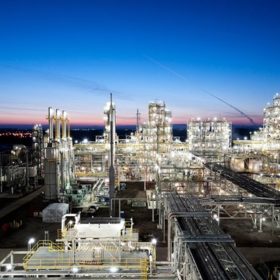
China: REC Silicon reduces stake in 20,000 MT polysilicon JV
The Norwegian polysilicon producer saw its stake in the joint venture (JV) with Chinese silicon material manufacturer, NSF reduced, after the latter agreed to provide all of REC Silicon’s outstanding capital contribution for the project.
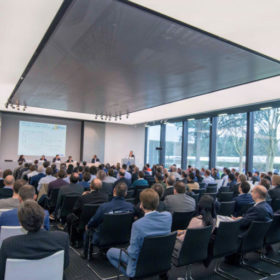
TÜV, NRW solar module workshop goes international
The module workshop hosted by TÜV Rheinland and Germany’s energy agency, NRW was held for the first time in English and for an international audience. The main conclusion of the event, held in Germany, is that the latest technologies and trends should be constantly observed and evaluated.
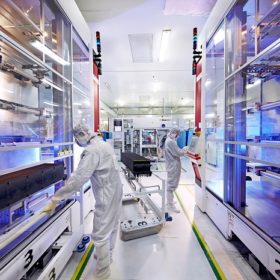
Trina Solar ships over 9 GW of PV modules in 2017
Trina Solar shipped over 9 GW of PV modules in 2017, thus further cementing its leading status in the global solar industry.
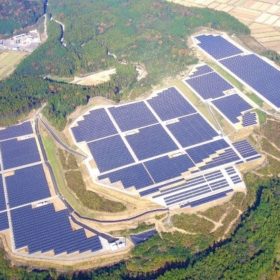
Kyocera completes large-scale and floating PV projects in Japan
Kyocera TCL Solar LLC has completed work on a 21.1 MW solar PV plant in Japan’s Hagi City. Operations have also begun on five of the company’s floating solar power plants. Meanwhile, in light of decreasing FITs, it provides an update on its shifting solar focus.
Taiwanese cell giants plan US module factory
The newly minted merger of Neo Solar Power, Gintech and Solartech is planning a module factory, the second such factory to be announced by a large Asian PV maker since solar tariffs were finalized.

BREAKING: JinkoSolar confirms plans to invest $410 million in the US
In the first official confirmation of what pv magazine has been writing for two weeks, the Chinese manufacturer authorized its U.S. subsidiary to finalize plans for the investment.
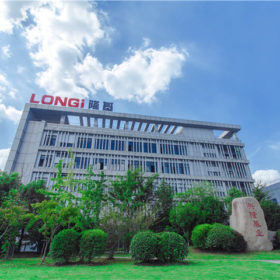
China’s Longi Solar confirms 1 GW Indian manufacturing facility
Longi Solar will set up a 1 GW solar PV manufacturing facility in India’s Andhra Pradesh. It will manufacture 500 MW of cells and 500 MW of modules, a spokesperson tells pv magazine. The facility is expected to be commissioned by Q1 2019 at the latest, and will seek to take advantage of India’s partial exemption from the recent U.S. solar tariffs, imposed by President Trump last week.
Malaysia’s PA Resources secures $154m First Solar supply contract
The Kuala Lumpur-based manufacturing subsidiary of PA Group has signed a deal worth 600 million Malaysian Ringgit to supply certain materials and goods to First Solar for the production of its thin film modules.

Agfa, Ferrbatt sign agreement for distribution of PV backsheets
Anticipating growing market demand for its UNIQOAT backsheet, Agfa has partnered with Italian company, Ferrbatt to bolster local industry supply and support.
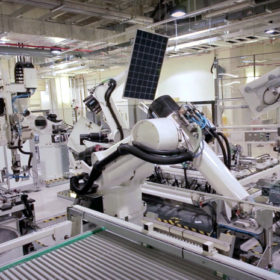
Trump opens the door for specific products, nations to be excluded from tariffs
The U.S. President’s proclamation provides a path for specific products to apply for exemption from tariffs, which had been sought by both SunPower and the government of South Korea. Additionally, imports from a number of developing nations are exempt as long as import levels remain small.
