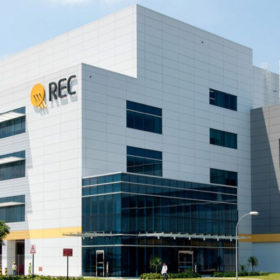
REC Group secures EU funding for HJT solar factory in France
REC Solar has announced plans for a PV module gigafactory in France, along with 17 other clean tech projects that will share €1.8 billion ($1.8 billion) of grants from the European Union’s Innovation Fund.
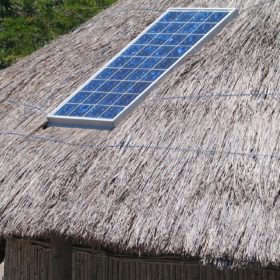
More than 100,000 more Kenyan households could get solar after $8m investment
EU development body Edfi Electrifi and impact investor Oikocredit will each take a $4 million stake in Canadian off-grid home panel business Solar Panda.
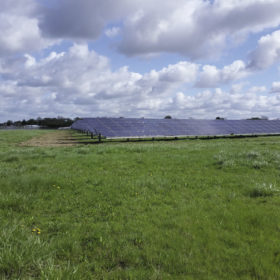
The British public back solar … and nuclear, and carbon capture
The results of the latest survey conducted by the UK government show solar maintains its high level of affection among the public, even when respondents were asked their feelings about having a solar field installed nearby.
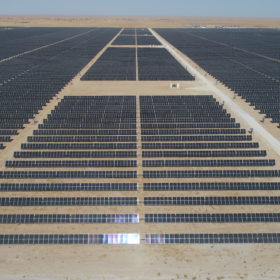
Total Eren heralds another 100 MW of Uzbek solar
The central Asian nation went from 4 MW of grid-connected solar to 104 MW in just 12 months and Total Eren’s latest announcement indicates an ambitious national goal of adding 12 GW of renewables this decade may not be so fanciful.
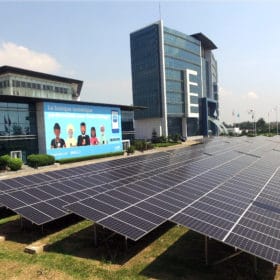
IFC announces $150m credit line, with focus on African solar
Egypt’s Elsewedy Electric, which has developed solar and storage projects on its home continent, has secured a new financing package, according to International Finance Corp.

pv magazine Roundtables Europe 2022: Back to the future
Down below, you can see a quickfire summary of some of the events held and points raised on day one of pv magazine‘s Roundtables Europe event.

The weekend read: The stakes are high for solar and green finance
Despite worldwide net-zero pledges, a new EU sustainable debt taxonomy, an urgent need to address the climate crisis, and record sustainable debt investments, the world still has a long path to tread to meet its climate goals. Next week at pv magazine’s European Roundtables event and in the third quarter of our UP Initiative, we will focus on green finance. Specifically, what steps have been made in the past two years? Will sustainability-linked bonds gain traction? What supporting policies and standards are in place or required? And what can solar companies do to be ESG-ready?

European loan to fund 107,000 home solar panels in Benin
The European Investment Bank says a new €10 million ($10.5 million) loan will offer electricity access to almost 650,000 people in Benin.
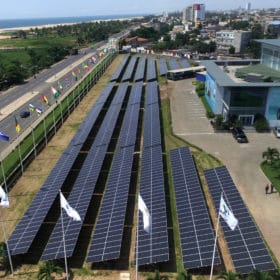
Solar LCOE may drop to $0.018/kWh in Africa by 2030, says IEA
The International Energy Agency’s latest “Africa Energy Outlook” report says grids will need to be expanded, along with natural gas exploitation, if everyone in Africa is to have access to electricity by 2030. On the solar front, the document predicts a levelized cost of energy of $0.018/kWh to $0.049/kWh by 2030 – cheaper than wind power or gas.
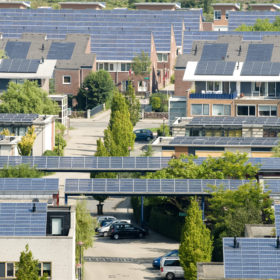
New on-demand rooftop solar investment platform
Legends Rooftop is an online tool that allows investors to purchase off-site rooftop solar panels as a financial investment.
