Chinese poly maker says its granular silicon will be in demand when EU puts up carbon border
GCL-Poly, in its annual results statement for 2021, has pointed to certification of its product’s low-carbon claims by French government body the Agence de l’Environnement et de la Maîtrise de l’Energie.
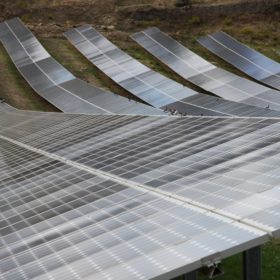
Chinese PV Industry Brief: It’s boom time for solar in the world’s PV capital
Big numbers from polysilicon and cell maker Tongwei and the latest government statistics indicate the nation is in the midst of a flood of solar capacity additions at the moment.

World will need 5.2TW of solar this decade to avoid climate breakdown
The International Renewable Energy Agency’s latest global outlook has spelled out just how ‘woefully’ far the world is from capping temperature rises at 1.5C, and lamented: ‘The stimulus and recovery efforts associated with the pandemic have also proved a missed opportunity.’
GCL’s solar project business spells out how it slashed debts in 2021
The developer last year sold off 2.9GW of solar generation capacity to state-owned entities to reduce its debt pile by $1.76 billion and has another 298MW up for sale as it repeated its intent to switch to blue, and later, green hydrogen.
The sun is still shining on poly makers but solar developers struggling in China
Polysilicon maker Xinte is forging ahead with a huge expansion strategy just as solar developers at the opposite end of the industry continue to bleed cash.
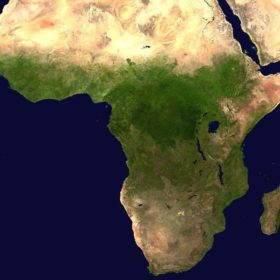
African Development Bank offers local-currency credit to Nigeria’s clean power developers
Lack of locally-denominated finance, and of sufficiently long-term loans, are well established hurdles to the development of photovoltaics in Africa.
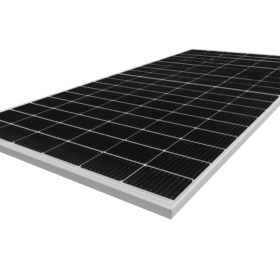
JinkoSolar shipped 25.2GW of PV products in 2021
The Chinese module manufacturer saw its sales and turnover increase significantly in the past financial year. The company said it is benefiting from increasing demand for n-type products worldwide, and also for distributed generation systems, with which higher returns can be achieved.
EU adds anti-subsidy duty to existing trade measures on Indian and Indonesian steel
The European Commission has alleged China offered cut-price finance to Indonesia, via Beijing’s Belt and Road drive, so Jakarta could develop domestic demand for stainless steel raw material nickel ore.
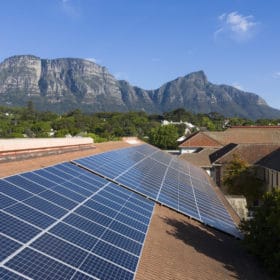
World Bank notes potential for 210,000 mini-grids this decade
The international development entity has already invested $1 billion in local, off-grid electricity networks over the last decade – and attracted a further $1.1 billion in matched funding – and has predicted mini-grids could supply electricity to 490 million people by 2030.
Investment cycle means race is on to incentivize green hydrogen
A report published by Irena hints the world’s politicians will have to get to work immediately to avoid another generation of fossil fuel-fired hydrogen, ammonia, and methanol plants being set up to run into the second half of the century.
