Undaunted Xinyi presses on with production expansion
Chinese solar glass manufacturer will forge ahead with plans for three new Malaysian fabs – at some point – but EPC and development operations are fading into the shadows in the wake of Beijing’s new PV policy direction.
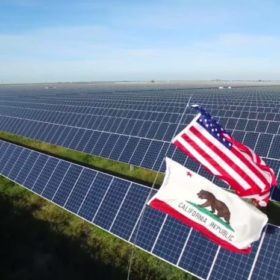
Solar supplies more than 10% of electricity in five US states
Massachusetts has joined California, Hawaii, Nevada and Vermont in the club of 10% solar states. PV made up 2.4% of total generation in the United States during the first half of the year, with solar and wind together making up slightly less than 10%.
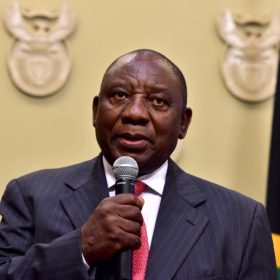
Ramaphosa offers optimism for South African solar
Although lobbyists will be dismayed a 1 GW annual cap on PV will remain, the indications are it will disappear after 2030 – if not before – and renewables appear to have become a more attractive proposition than nuclear, as coal is phased out.

China files section 201, 301 WTO complaints against US
China has officially filed two complaints with the World Trade Organisation (WTO) against the United States, in response to its 30% Section 201 and 25% Section 301 tariffs.

Is China about to add 10 GW of unsubsidized solar?
Rumor has it industry lobbying has persuaded the government to agree to 300-500 MW of distributed PV in each of the populous nation’s 34 local government areas, with a reduction in “non-technical costs” making up for a lack of guaranteed payment.

Europe surpasses 1 million EV milestone
The market experienced strong growth in nearly all states. Scandinavian countries lead the charge, but Germany showed strong growth in the first half of 2018, analysts report. An uptake in EV sales might result in profound effects on their use as flexible storage units, recent reports and interviews suggest.
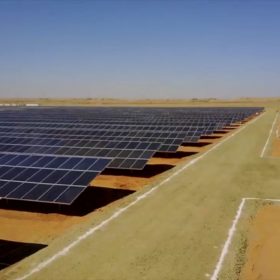
More developers approved for Egyptian small scale PV program
National scheme reportedly aims to drive installation in segments including residential and commercial and industrial facilities.
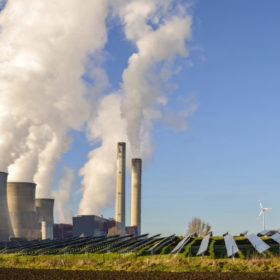
Solar beats oil and gas price in EU
With the carbon price set by the bloc’s emissions trading scheme on the rise – alongside fossil fuel costs – there’s never been a stronger economic case for renewables. And analysts are predicting the trend is no blip.
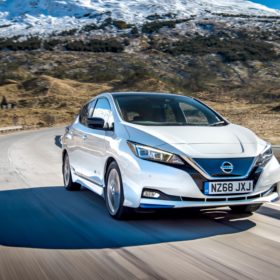
Nissan: ‘EVs are at the core of our company’
Nissan recently supplied batteries to Europe’s largest energy storage system using new and second-life batteries in a commercial building. At the inauguration ceremony, Nissan’s Head of Energy spoke about the car manufacturer’s role in the project, and why EVs are playing an increasingly central role.

The weekend read: The new Dutch climate proposal unpacked
The Netherlands, second-last in the EU when it comes to the production of renewable energy, presented its first draft of the Dutch Climate Agreement. This agreement is drafted to set out targets and policies across sectors such that the country adheres to the previously proposed Climate Act. When both are signed, writes Rolf Heynen, director of Good! New Energy, the Netherlands will be only the seventh country worldwide with such an act – and on paper one of the most ambitious. What will this mean for solar energy?
