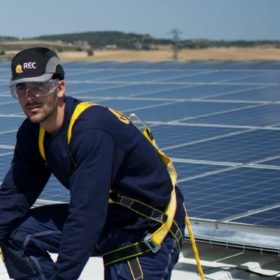
European PV market expected to grow by 35% in 2018 – GTM Research
European countries such as France, Germany, the Netherlands and Spain are all forecast to be gigawatt-scale markets in 2018. Globally, around 606 GW of new PV capacity is forecast to be installed between 2017 and 2022.

EU Energy Committee’s proposal to upgrade 2030 RE target to 35% welcomed
The European Parliament has proposed both an upgraded, binding RE target of 35%, and plans to reduce energy consumption by 40% by 2030. The two resolutions, along with other provisions to remove fees or taxes on self-consumption, now have to be approved in January. SolarPower Europe has welcomed the news, saying the move will boost jobs and investment.

Solar deployment in developing countries soars by 54% YoY, finds BNEF
A total of 34 GW of new solar power generating capacity came online in 2016 in 71 emerging market countries, finds the latest Climatescope report by Bloomberg New Energy Finance.
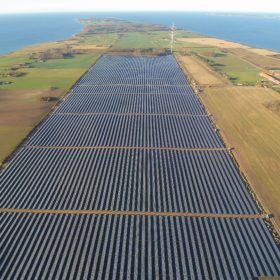
Danish Energy Agency releases draft plan for joint wind and solar auctions
The introduction of similar auctions was proposed by the government in the summer, and backed by the Danish People’s Party in September.

Portuguese government backpedals on tax for renewables
The leading party of Portugal’s left-wing government coalition, the Socialist Party, said that the extension of the CESE tax to renewables would have hindered the further development of clean energy across the country.

Fighting for U.S. manufacturing: An interview with SolarWorld Americas CEO Jürgen Stein
In this exclusive interview with pv magazine, SolarWorld Americas CEO Jürgen Stein gives his perspective on the Section 201 trade case, including responding to criticism of potential effects on the U.S. solar market.

India releases roadmap for RE rollout, announces 20 GW manufacturing auction
The Indian government has unveiled a roadmap for achieving its 2022 renewable energy goals. It has also announced plans for a 20 GW auction to boost domestic RE manufacturing.
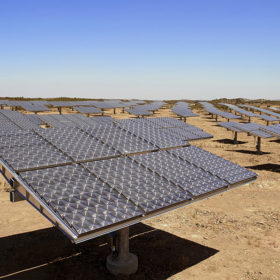
Portuguese Parliament says renewables are not exempt from tax
The CESE tax, so far paid only by conventional energy companies, will be extended to existing RE power plants under the special tariff regime.
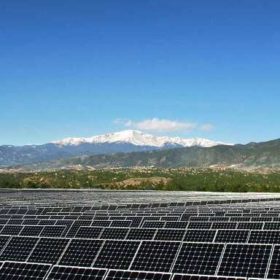
France deployed 484 MW of PV in first nine months of 2017
As of the end of September, the country’s cumulative installed PV capacity reached 7.68 GW.

The weekend read: Will duties ADD doubt to India’s solar growth?
The threat of India’s government imposing anti-dumping duties (ADD) against solar cells and modules from China, Taiwan and Malaysia is very real, and runs counter to its own ambitions of hitting 100 GW of solar by 2022. Or does it? Could duties help to boost India’s solar industry in other ways? And does the ongoing political uncertainty create opportunity or trepidation for industry?
