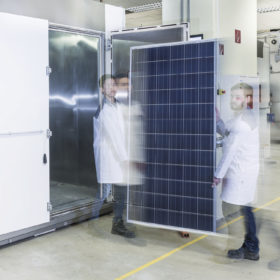
Bangladesh needs more labs to check quality of solar imports
While the government is moving to require foreign modules, inverters, batteries and charge controllers be subject to mandatory testing, the fear is that there are not sufficient testing sites in the country to achieve that ambition.
Irish senator proposes solar mandate on public buildings
The Green Party members of the coalition governing the EU member state are losing patience with the slow progress of a bill they tabled eight months ago to remove the requirement for schools and other public buildings to have planning permission to install panels.

UK to move to annual renewables auctions from next year
With solar readmitted to the process for subsidizing new renewable energy generation capacity, the government says it is “hitting the accelerator” on clean power as it aims for a fully decarbonized electricity system by 2035.

Nigerian mini-grid program appears to have been scaled back
An initial intent to commission 28 local solar-plus-storage networks has now been stated as comprising “around 20” mini-grids, with delivery expected this year, rather than by the middle of the year.
‘Bangladeshi energy masterplan should focus on renewables’
With the finances of national utility the Bangladesh Power Development Board in disarray thanks to rising capacity payments for often-inactive conventional power plants, renewables offer the hope of fiscal sustainability, according to the Institute for Energy Economics and Financial Analysis.
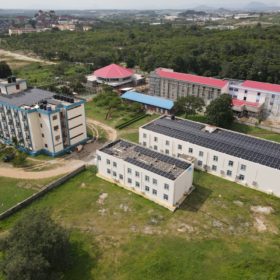
Rising electricity bills in Nigeria drive demand for solar
Commercial and industrial PV installer Starsight Energy says business is on the up thanks to rising wholesale energy costs in the country.
Polish gas plans could leave taxpayers needing to find billions
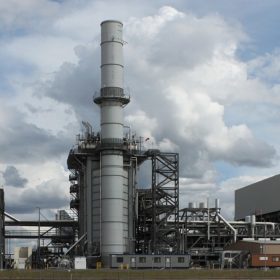
With the Polish government planning to commission five gas power plants over the next five years, London-based thinktank Carbon Tracker has estimated just how costly the move will be, compared to deploying solar plants and energy storage instead.
European funds back 40MW Kenyan solar field
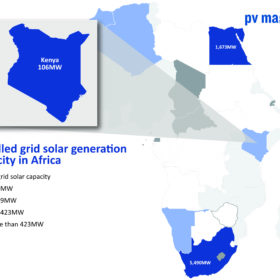
The $87 million Kesses solar project, in Kenya’s Rift Valley town of Eldoret, is set for completion by Spanish developer Alten this year.
Solar investors back Italy despite electricity price cap
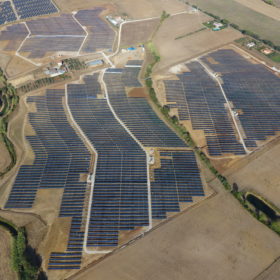
With the Italian government temporarily limiting the returns available from solar plants on the wholesale energy market, Swiss investor SUSI Partners says the underlying strength of the country’s PV industry remains.

EU Chips Act proposed to address semiconductor shortages
The European Commission wants to introduce legislation to back semiconductor research and to address the immediate problem of supply chain bottlenecks by drumming up more than €43 billion, with member states and the private sector expected to contribute.
