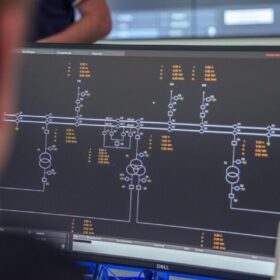
Germany classifies cybersecurity threats for energy infrastructure
Germany’s Federal Network Agency will use a new, structured framework developed by Fraunhofer IOSB-AST to classify cybersecurity incidents in the energy sector. The methodology enables comprehensive risk assessments, from initial reports to systemic and economic impacts, supporting consistent evaluation across the entire energy value chain.
Austria deploys 1.63 GW of solar in 2025
Austria’s photovoltaic market slowed in 2025, with around 1,634 MW of new capacity installed, bringing the country’s total PV capacity to approximately 9.9 GW.
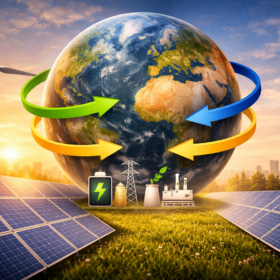
Energy transitions continue to produce spillover effects despite geopolitical tensions
Accelerating energy transitions in major economies can create positive spillover effects worldwide, even amid geopolitical tensions, with North America and the Eurozone boosting progress in other regions.
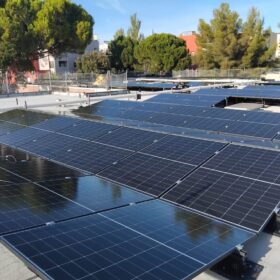
France lowers PV feed-in tariffs for systems up to 100 kW
France’s energy regulator has reduced feed-in tariffs (FITs) for PV systems up to 100 kW for the April to July 2026 period, with lower rates across all segments and reduced compensation for surplus electricity.
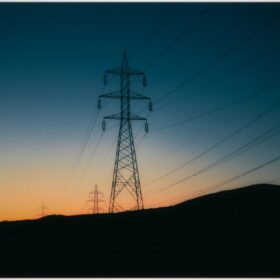
Spain enables 50-plus renewable plants for real-time voltage control
Spain’s grid operator Red Eléctrica and regulator CNMC have launched real-time voltage control services, allowing renewable energy installations to provide dynamic grid support under a new regulatory framework.
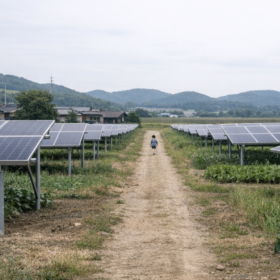
South Korea targets 2,500 community solar cooperatives by 2030
The South Korean government has launched a national drive to establish community-owned village solar cooperatives across the country, with more than 500 sites to be selected this year and KRW 550 billion ($366.4 million) in national funds earmarked for 2026.
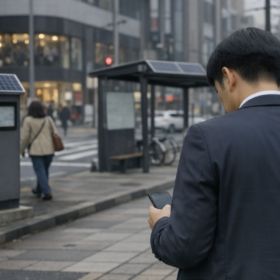
Solar curtailment reaches Tokyo, Japan’s last holdout grid area
Tokyo’s grid has joined every other transmission system operator area in Japan in experiencing economic curtailment, as solar output growth outpaces the flexibility of the country’s largest regional power market.
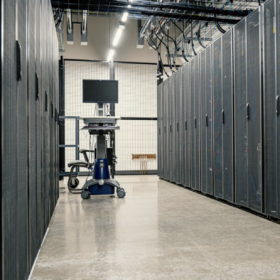
Why battery storage is becoming the engine of AI growth
Data centers are using batteries to run more AI on the same grid connection.
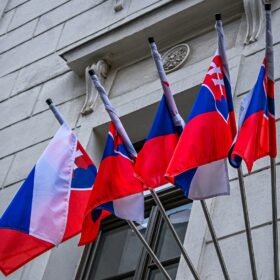
Slovakia deploys 243 MW of solar in 2025
Slovakia’s total solar additions last year fall in line with those seen the prior two years, with cumulative capacity now standing in excess of 1.3 GW.

Solar cyber threats expand, but inverters still stay in the crosshairs
In an interview with pv magazine, Jay Johnson, the CTO of US-based cybersecurity firm DERSec, explains that PV systems face cybersecurity risks that extend far beyond inverters, as demonstrated by a December attack on Polish solar plants where wiper malware targeted substation equipment rather than the inverters themselves. Vulnerabilities often lie in backhaul communication channels like APIs and mobile apps, making layered defenses, network segmentation, and vigilant monitoring essential to safeguard distributed energy resources.
