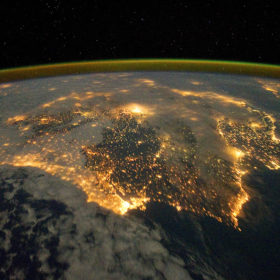
Covid-19 weekly briefing: Merchant solar developers could seek shelter in return to subsidies and PPAs are being revisited, but at least the Irish are coping with lockdown measures
The unfolding effects of the Covid-19 crisis, and fears of a possible second wave, have split analysts trying to guess how the unsubsidized renewables market will emerge as slumping demand continued to distort power markets. pv magazine rounds up the week’s coronavirus developments.
Ministry representative says Polish solar manufacturers could benefit from Covid-19 disruption to take market share from Chinese rivals
The Polish solar industry is reportedly planning an offensive to claim a bigger slice of the domestic PV market. The idea was apparently floated by the head of a private renewable energy body.
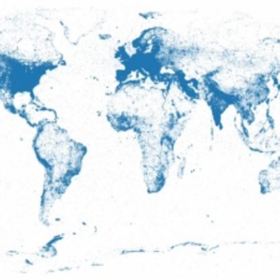
Tackling climate change with machine learning: Day 1
Artificial intelligence (AI) can play a key role in combating climate change, including by application in the renewables industry. Dustin Zubke is watching this week’s International Conference on Learning Representations workshop to find out how, after the Addis Ababa conference was moved online because of the Covid-19 pandemic.
Bangladesh opens €200m loan fund for eco-friendly imports
Solar project developers and other component importers are among those eligible to apply for low-interest loans for up to 10 years. The government had already offered a $200 million credit line last year.

Ireland’s first renewables auction
Clean energy developers have three days left to pre-qualify for the first procurement exercise staged by the Irish Renewable Electricity Support Scheme. Solar will compete with wind – on and offshore – and biomass projects.
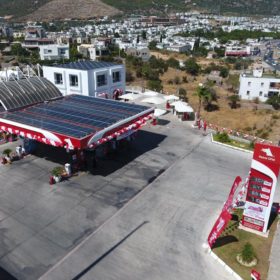
Turkish solar market changing shape
According to the latest figures from the Turkish grid operator, 109 MW of new solar was added in the first quarter, most of it net-metered rooftop systems. The troubled 1 GW national tender originally planned in January 2019, however, has been postponed for a second time, with the government stating the Covid-19 crisis will cause the exercise to be staged next year.

France makes 44 GW solar target official
Today’s edition of the Official Journal of the French Republic featured two long-awaited decrees: One concerning the multi-year energy program and another on national carbon budgets and the state’s low-carbon strategy.
Chinese developer may lose $140m paid out in speculative project development rights
Bailed-out solar project company Panda Green revealed it did not set any terms for repayment of RMB1 billion paid to third parties in 2017 as deposits to secure potential project rights.
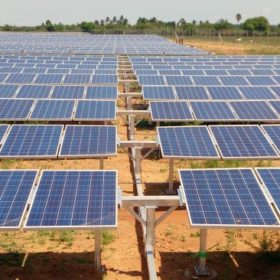
Covid-19 pandemic puts 150 GW of PV, wind at risk in Asia
Up to 150 GW of PV and wind projects could be postponed or canceled throughout the Asia-Pacific region by 2024 if the coronavirus-triggered recession continues beyond the current year, according to new research by Wood Mackenzie.

Covid-19 weekly briefing: A cold wind for APAC renewables, respite for Indian developers and another salary cut for SunPower execs
The coronavirus epidemic continues to batter the global economy, including the solar industry, but falling demand during lockdowns has brought negative energy prices as well as helping drive record solar generation, amid less-polluted skies.
