
Yingli in talks with creditors over break up
The Chinese solar manufacturer today admitted it is in talks with its lenders and strategic investors about a break up of the company after its 2018 annual accounts revealed an apparently unserviceable debt pile. Any strategic investor is likely to constitute a Chinese state-backed bail-out.
Electricity regulator steps in to Indian state’s attempt to renegotiate signed PPAs
The latest blow in the political battle between clean energy project developers and an anti-renewables state government has seen the electricity regulator order power distribution companies to honor PPAs signed after a public tender.
Singyes state bail-out vote at end of the month
Shareholders in the heavily-indebted solar project EPC and building-integrated PV manufacturer will vote on the last day of the month on the proposed takeover of the business by a Chinese state-backed entity. No news has emerged of a winding-up order due to be heard yesterday.

UK: Give more power to regulators, says report
A report published recently by the United Kingdom’s National Infrastructure Commission says that the UK’s regulatory system must “adapt to meet the demands of the future” by providing new powers for regulators to ensure utility investments in sustainable infrastructure. The report notes that without such powers, the country will be unlikely to meet its target of zero emissions by 2050.

EnBW to start building subsidy-free, 175 MW solar plant in Germany in early 2020
The German utility has finalized its investment plan for the massive PV array, which will be built in the state of Brandenburg from the start of 2020. It first announced the project — the largest subsidy-free PV plant under development in Germany thus far — back in the spring.
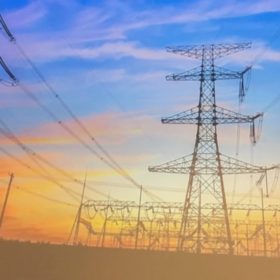
Australia’s AEMC calls for energy pricing and transmission overhaul
The Australian Energy Market Commission (AEMC) has released a new paper outlining a blueprint to coordinate generation and transmission investments. The draft proposal seeks to overhaul wholesale pricing and transmission access to lower electricity costs and the ever-increasing risks inherent in getting new renewable energy generation capacity into the network.

EU electricity market summary shows shift from coal to gas
A newly published overview of the European electricity sector suggests that renewables development remains stalled on the continent. Despite some regional differences, EU policy generally favors gas over renewable resources to replace coal. And recent comments by Kadri Simson, the newly sworn-in EU energy commissioner, offer little hope for change.
India issues bidding guidelines for solar-wind hybrid projects
India’s Ministry of New and Renewable Energy has suggested minimum 25-year power purchase agreements, while also opening up the option to include energy storage in solar-wind hybrid generation projects that are procured under its public tender regime.
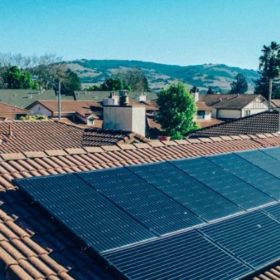
Solar + storage to survive disasters
Roth Capital Partners expects the U.S. residential storage market to grow more quickly than expected. The prediction is founded just as much in disaster mitigation as it is in economic viability.

Plummeting lithium price will further dent Ganfeng profits
Beijing’s sudden retreat on electric vehicle subsidies in the summer has caused the value of lithium to hit the floor, with disastrous effects on the balance sheets of Chinese companies which had invested big in supply chains to support anticipated huge demand.
