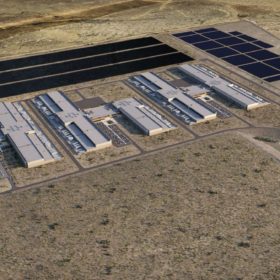
United States: 2.8 GW of corporate solar deals in 2018
According to a new report from Rocky Mountain Institute, corporations have signed contracts for 2.8 GW of solar in the United States this year, a gigawatt more than the deals signed in all previous years combined.

The outlook is sunny for solar in 2019, according to Credit Suisse
Although the investment bank says large manufacturers will suffer from continuing panel price falls, developers will be able to take advantage and experts predict a resurgence in the global market next year.
US corporate solar procurement knocks it out of the park in 2018
According to Rocky Mountain Institute corporations have signed contracts for 2.8 GW of solar in the United States this year, a gigawatt more than the deals signed in all previous years combined.

Greece awards 62 MW of small-scale PV, cancels tender for larger projects in the same day
Greece ran two separate tenders for PV on December 10. However, the Greek energy regulator has decided not to award the winners of the tender for large-scale farms, due to lack of adequate competition. The tender for the large projects will be repeated next year.

UK export payments won’t end – but they will get much smaller
The government has finally announced the results of its consultation on ending FIT export payments. With the vast majority of respondents against the proposal… it has responded by going ahead anyway.
Israel lauded for ditching coal – for gas
The Middle Eastern state has been praised for joining the global anti coal movement, but its plan to switch to natural gas is more a victory for pragmatism than the environmental or renewables cause.
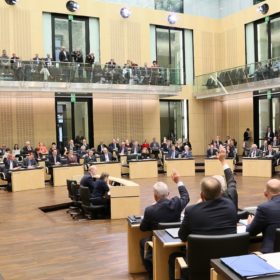
New energy regulation in Germany details 2019 changes for PV industry
As expected, Germany’s second chamber of parliament has passed a new package of laws. They will enter into force on January 1, 2019. Among the the changes are the extraordinary FIT cuts for rooftop systems between 40 and 750 kW in size for February, March and April, and new tenders for wind and solar totaling 4 GW.

Solar not in COP24’s spotlight
As the dust settles on an imperfect, but still welcome, international agreement thrashed out at COP 24, the chairman of the European Energy Research Alliance has criticized the solar industry for its lack of representation in Katowice.
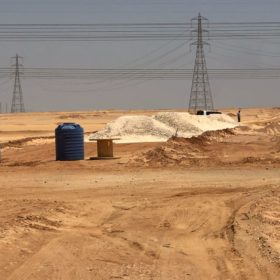
Fine is mounting up against FAS
The Saudi developer is reportedly suffering fines of $700/MW/day for late delivery of a project at the Benban solar complex in Egypt as 180 MW of plants near completion.
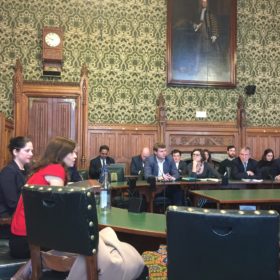
UK: A hard Brexit would add millions to consumer electricity bills
All round, it has been an interesting week for the U.K. to say the least, and the energy sector was no exception. In addition to the country’s All-Party Parliamentary Group for Renewable and Sustainable Energy (PRASEG) organizing a debate on the Capacity Market; a forum in London discussed grid operator’s flexibility; and a new report was released claiming a hard Brexit would add millions to consumer electricity bills.
