
India’s SECI reduces manufacturing tender size from 5 GW to 3 GW
In a major development, the Solar Energy Corporation of India (SECI) has reduced its solar manufacturing tender size from 5 GW to 3 GW, and curtailed the minimum bid capacity from 1 GW to 600 MW. The size of Power Purchase Agreement (PPA), however, remains unchanged at 10 GW.

EU officially ends MIP for Chinese solar imports
In an unexpectedly early announcement, the European Commission has decided to end EU anti-dumping and anti-subsidy measures on solar PV cells and modules from China at midnight on September 3.

Nearly 8 GW of Indian solar projects receive 6 month extension – MNRE
To ensure their continued viability, nearly 8 GW of solar PV projects have been granted an extension by the Ministry of New and renewable Energy (MNRE).

Australia’s new Energy Minister takes aim at gentailers, networks, renewables
Australia’s new federal Energy Minister has revealed his thinking, although few details, as to the measures the government will take in pursuit of its new “laser like”, focus on electricity price reduction. While denying that he is a climate sceptic, emissions reduction clearly has no place in the proposed policy measures.

California energy storage subsidy extension passes Assembly
A U.S. bill to extend the SGIP program through 2026 and add nearly 3 GW of behind-the-meter energy storage has passed the California Assembly. It will now go to the Senate to be reconciled before going to Governor Jerry Brown.

Solar industry rejects UK government plan to end FIT, export tariff schemes
In consultations in late July this year, the U.K. Government proposed ending both the feed-in tariff (FIT) and export tariff schemes. The policy changes would end financial compensation for prosumers feeding electricity into the grid. In a letter, the industry, including major utilities like Eon and Ovo Energy, voiced their clear rejection of the plan.
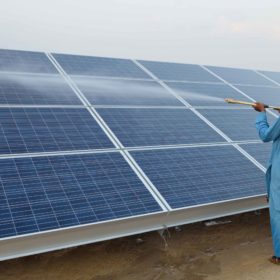
India to introduce cap on solar tariff
In a major development, the Ministry of New & Renewable Energy (MNRE) has directed the Solar Energy Corporation of India (SECI) to fix the upper permissible solar tariff at Rs. 2.50 (US$0.036)/kWh and Rs. 2.68 ($0.038)/kWh for developers using domestic solar cells and modules (without safeguard duties), and imported products (with safeguard duties), respectively.
India: Power regulator told to pass on changes in duties to consumers
Offsetting the impact of changes in central or state government duties post bidding, India’s Power Ministry has directed the Central Electricity Regulatory Commission (CERC) to pass on the excess costs to consumers in the form of electricity tariffs in a time-bound manner.
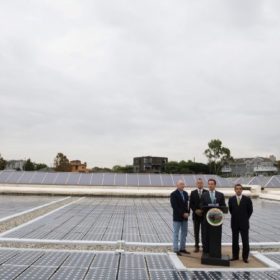
100% clean energy passes California Assembly
The largest political hurdle has been cleared for the world’s fifth-largest economy to eliminate carbon emissions in the electricity sector. The state has also set a 60% by 2030 renewable energy mandate.

US data suggests collapse of PV module imports in the wake of Section 201
Newly released EIA data shows overall module shipments falling by two thirds in the second quarter of 2018, while pre-tariff prices remained relatively steady.
