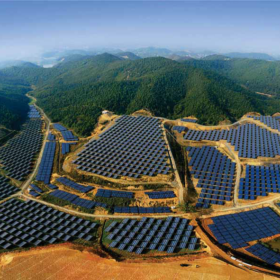
2017: The PV year in review
Trade cases, insolvencies, record-breaking low auction prices, China’s eye watering installation rates – all this and more characterized the 2017 solar PV industry. pv magazine reflects on the biggest stories, trends and developments of the past year; and summarizes what the industry can expect in 2018.
China sets lower solar FIT rates for 2018
The Chinese government has revealed its new feed-in tariffs (FIT) for different types of PV projects, with rates set to fall by as much as 15% from the start of January.
Scotland’s first energy strategy draws mixed feelings from solar industry
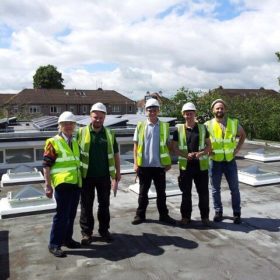
While solar has been recognized in Scotland’s first energy strategy, which aims to supply half of the country’s energy needs from renewables by 2030, criticism has been aimed at the lack of concrete policy frameworks for solar, an energy source that could add 6 GW capacity in the next 12 years.

Tremendous demand: An interview with First Solar CEO Mark Widmar
In this interview Mark Widmar talks about the market for PV modules and his company’s supply situation, First Solar’s position in the Section 201 case, and the role he sees for solar in the future of energy.
Solar installations to soar under new South Korean energy plan
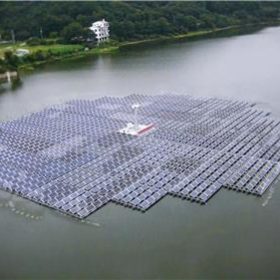
South Korea’s total installed renewables capacity will spike to 58.5 GW by 2030, from just 11.3 GW at present, under a new energy plan that prioritizes solar and wind development over nuclear generation.
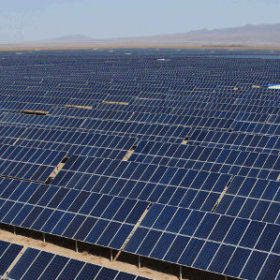
China to tackle curtailment with new PV monitoring system
China’s National Energy Administration (NEA) has revealed plans to monitor and evaluate PV projects to help channel investment into parts of the country where solar curtailment is less of a problem.

Trump team argues strongly for tariffs
Reports say an unreleased memo circulating within the White House lays out arguments for the strongest of trade sanctions against Chinese solar module makers in what is likely a bad sign for U.S. solar markets.

Taiwan narrows solar FIT cut for H1 2018
Ministry of Economic Affairs will offer a FIT some 9% higher than originally proposed in September in effort to expedite Taiwan’s clean energy goals.
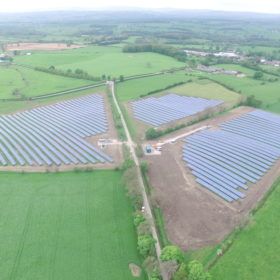
Wirsol to acquire two ‘subsidy free’ solar projects in the UK
Wirsol has announced the acquisition of two solar projects totaling 16 MW, which are gearing up to begin construction in the U.K. Wirsol also says it has plans to expand this portfolio to around 150 MW over the next 18 months.
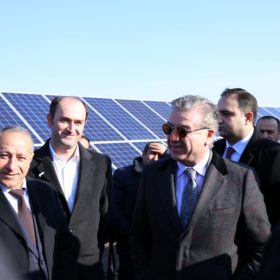
Armenia on track to commission 10 MW, announce new utility-scale PV quotas
Work is heating up on 10 MW of solar PV plants in Armenia, which were commissioned under a special tariff announced in December 2016. Three MW have already been commissioned, with the rest scheduled for completion in 2018. Additional utility-scale quotas are also set to be published next year.
