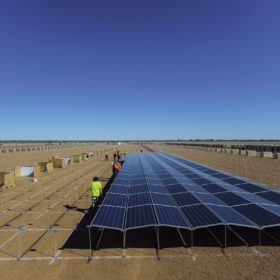
Queensland opens tender for 400 MW renewables and 100 MW storage
The tender was part of a raft of announcements, including confirmation of a commitment to source 50% of its electricity from renewables by 2030. Queensland currently lags behind the progress of other Australian regions in terms of renewable energy installed, but multiple projects have been announced.
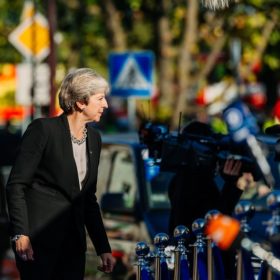
Clean Growth Strategy: has solar become a dirty word for UK government?
The £2.5 billion Clean Growth Strategy makes no direct mention of solar power, despite explicitly laying out support for numerous policies that will rely – directly or indirectly – on the presence of PV, such as EV charging, property retrofits and green mortgages.

First Solar weighs in on the Section 201 trade case
The world’s largest thin-film solar maker has sided with the petitioners, testifying to the difficulties that U.S. solar cell and module makers are experiencing and the challenges of competing with imports supported by foreign governments.
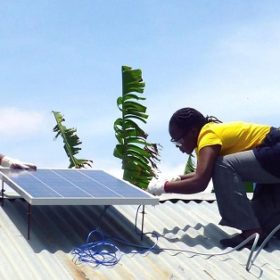
World Bank’s Lighting Africa initiative set to deliver more solar to Tanzania
A two-year consumer education campaign in Tanzania to promote solar off-grid lighting and energy products in off-grid communities has been jointly announced by the World Bank-IFC. Program is part of Lighting Africa project designed to provide accessible and cheap solar products.
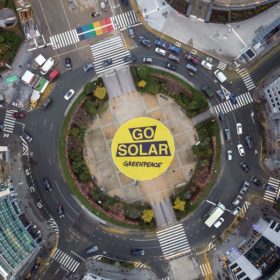
Greenpeace applies solar pressure on EU leaders
The global environmental organization’s ‘Go Solar’ campaign urges the European Commission to introduce EU policies designed to usher in 100% renewable energy era, with solar at the forefront of change.
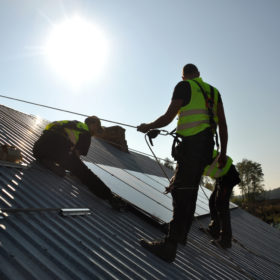
Solar again overlooked in UK’s £557m clean energy support package
Confirmation of sizeable financial support for offshore wind, marine power, biomass CHP and energy from waste welcomed by renewable energy groups, but government’s solar blind spot continues.

Netherlands to close all coal plants by 2030
Announcement today by Dutch government seen as progressive step for renewables in the country. New legislation requires all coal-fired generation plants to be idled by 2030 and to meet more stringent emissions limits from 2021.
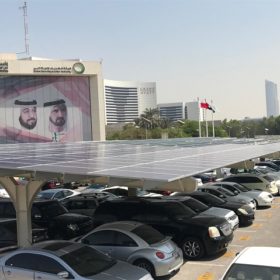
Dubai has 17 MW of solar installed under net metering
The Shams Dubai initiative encourages DEWA residential and commercial customers to install rooftop PV systems under net metering in order to reduce their energy bills.
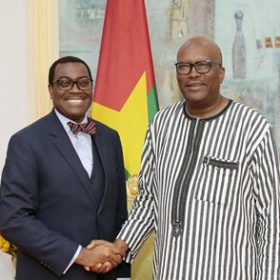
AfDB to co-finance 50 MW of solar in Burkina Faso
The African financial institution plans to help Burkina Faso electrify Northern Dorsal Africa through solar power plants alongside with smaller projects such as solar pumps and lamps in rural areas.
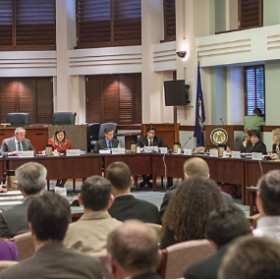
Suniva, SolarWorld double down on trade proposals
As the first half of the Section 201 remedy hearing comes to a close, Suniva and SolarWorld have made a case for a combination of tariffs and either quotas or a 74-cent minimum module price, and foreign governments have sought exemptions.
