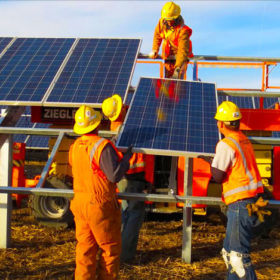
Solar PV tenders top 17.4 GW with Europe out in front, GTM Research finds
As demand is becoming geographically diversified, with strong growth of emerging markets set to make up for slowing demand in East Asia, GTM Research is now tracking 17.4 GW of confirmed solar tenders between Q2 and the end of 2019 across the globe, 9.6 GW of which is expected to be awarded in Q3 2017.
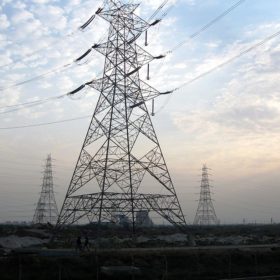
Leaked DOE study draft: U.S. grids are getting more reliable, not less
A leaked draft of the study ordered by Energy Secretary Perry appears to show what we already knew: That grids are getting more reliable, not less, as wind and solar are added. But the political tampering with the facts may already be happening.
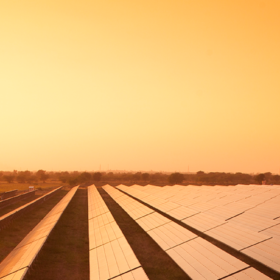
India: TANGEDCO to sign 1.5 GW PPAs at INR 3.47 (~$0.054)/kWh
After its 1.5 GW tender stirred unprecedented interest among developers attracting technical bids of 3.7 GW, the Tamil Nadu utility is now set to sign PPAs at the rate of INR 3.47 (~$0.054)/kWh for a period of 25 years.
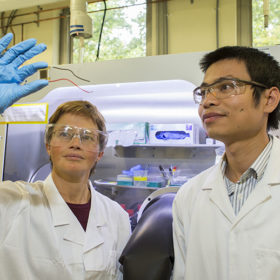
US Department of Energy backs solar with further $46.2m for SunShot Initiative
The funding is for 48 identified solar projects spanning two SunShot programs designed to advance solar power technologies in the U.S.
InnoEnergy makes funding for innovation available year-round
Although originally opened for two months between February and April, InnoEnergy’s Investment Round for the year 2017 is now accessible all year round to support innovative solutions that may reshape the future of the energy industry.
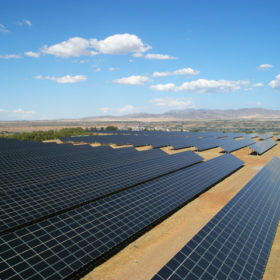
Clean energy spending in 2016 hits 43% share of total supply investment, finds IEA
The International Energy Agency’s World Energy Investment report sees global spending on energy fall by 12% overall in 2016, marking the second-consecutive year that investment has dropped as less money is poured into costly gas and oil infrastructure. Clean energy spending, meanwhile, is on the up.
Turkey’s Erdoğan threatens to not ratify the Paris climate accord
In another show off for Turkey’s populist president this weekend, Erdogan threatened global leaders that his country “will not ratify the Paris climate accord” if certain conditions are not met.
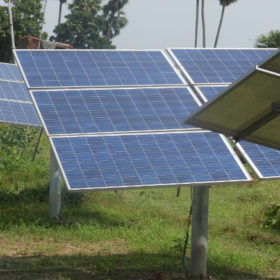
India’s solar goal makes it global frontrunner in climate change fight, says World Bank
The global lending institution praises India’s solar program in new report, noting how clean energy sources are beginning to displace coal at a sweeping rate.

Heraeus’ IP patent case struck down in Taiwan
The German-headquartered silver paste specialist laments the Taiwanese Intellectual Property Court’s decision, stressing that the ruling could set a dangerous precedent for the PV industry.
Wind, solar to be cheapest power source in G20 by 2030, Greenpeace study finds
In around half of the G20 countries, renewables have been equal or cheaper in price to electricity generated from coal and nuclear power plants since 2015, and are set to outcompete all other energy sources in the world’s 20 major economies by 2030, finds a new study commissioned by Greenpeace Germany.
