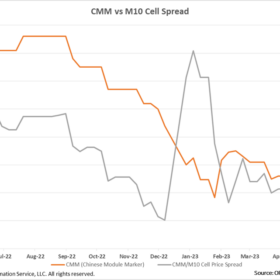
Solar module prices remain at 13-week low, spread against M10 cell narrows from January high
In a new weekly update for pv magazine, OPIS, a Dow Jones company, provides a quick look at the main price trends in the global PV industry.
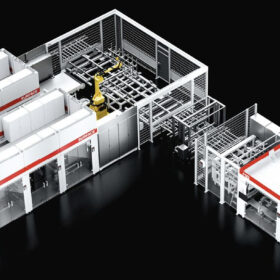
Euro solar is Surfacing
M10 Solar Equipment, a German joint venture, may have shown Europe’s solar manufacturers how to scale their gigafactories by using Siemens’ plant simulation software to ramp up production of its innovative shingled-matrix solar cell production equipment, explains Tobias Wachtmann, director of global glass and solar for Siemens.

Indian PV market must invest in quality infrastructure
In its latest monthly column for pv magazine, the International Renewable Energy Agency shares a series of recommendations gathered from sector experts to help India reach its ambitious solar targets. According to its experts, Quality Infrastructure (QI) will be crucial for the country’s PV market in the years to come. QI is an interdependent ecosystem of the different elements (accreditation, certification, standards, testing, metrology, inspection & monitoring) working together in harmony, and all associated services should be developed in unity and not in a piecemeal fashion. A sound and internationally harmonized QI not only ensures that PV products and services deliver as expected by customers and national energy authorities, but also enables more efficient and competitive markets based on a global economy on scale.
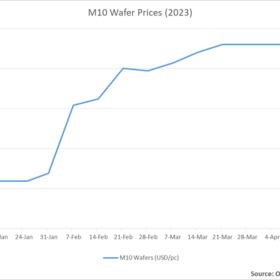
M10 wafer prices break 2-month hold slipping 0.6%
In a new weekly update for pv magazine, OPIS, a Dow Jones company, provides a quick look at the main price trends in the global PV industry.

How green is the UK government?
With speculation rife UK prime minister Rishi Sunak could call a general election next year, Robert Cathcart, a blogger for English installer Solar Fast, takes a look at just how green the current government is.
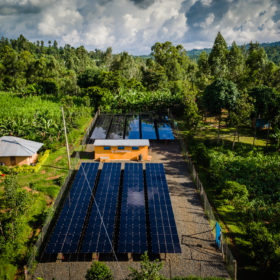
How ‘productive use of electricity’ can unlock economic potential across Africa
“Productive use of electricity” (PUE) has been the buzzword in the African solar industry for the past two years. The African Solar Industry Association (AFSIA) has prepared a catalog of solar-based PUE solutions for the continent, including a plethora of new solar off-grid and on-grid systems.
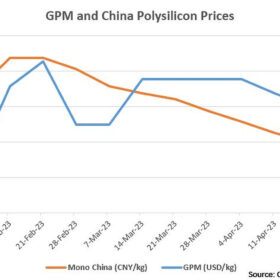
Polysilicon prices fall 1.33% to six-week low of $37.218/kg
In a new weekly update for pv magazine, OPIS, a Dow Jones company, provides a quick look at the main price trends in the global PV industry.
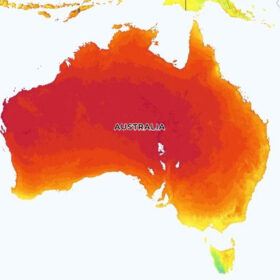
Australia paving way for global solar energy adoption
All of the leading countries for per capita solar and wind generation are in Europe except for Australia, which is generating more solar electricity per capita than any other country. Per capita, it is also a leading producer of wind energy.
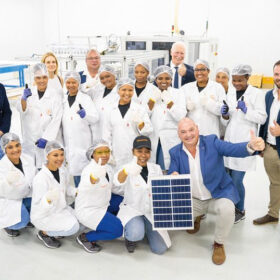
The green jobs promise
Promising to replace fossil fuel jobs with an identical number of clean energy roles in coal-dependent communities is overly simplistic and ignores the fact that communities need to be brought onside with credible expectations of better-quality employment.
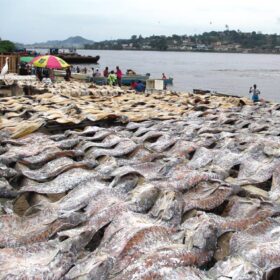
Producing the goods
Germany’s Fraunhofer Institute for Solar Energy Systems (ISE) is demonstrating how a solar-powered refrigeration unit and dryer could be self-sustaining and improve food security in Kenya.
