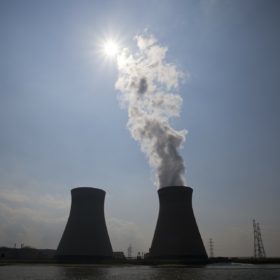
Solar up in Belgium in 2021 but will have work to do as nuclear shutdown nears
Electric transmission company Elia Group noted a bigger slice of the generation mix occupied by nuclear last year, just hours after a London-based consultant said the nation was on track to switch off its reactors before 2026.
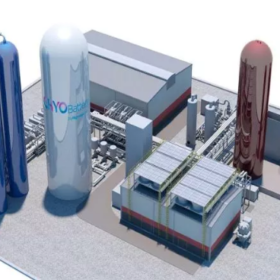
Liquid air tech for long-duration, large scale storage in China
Finland-headquartered Sumitomo SHI FW has entered a collaboration with China’s Shanghai Power Equipment Research Institute to evaluate the feasibility of long-duration energy storage using liquefied air energy storage technology.
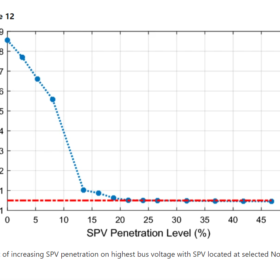
Large-scale PV could improve voltage of weak grids in Nigeria
Researchers have discovered that large-scale PV arrays could enhance the voltage stability of northern Nigeria’s electricity grid.
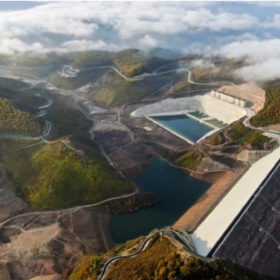
State Grid of China switches on world’s largest pumped-hydro station
Located in China’s Hebei province, the 3.6GW facility consists of 12 reversible pump generating sets with a capacity of 300MW each and has a power generation capacity from storage of 6.612 billion kWh.
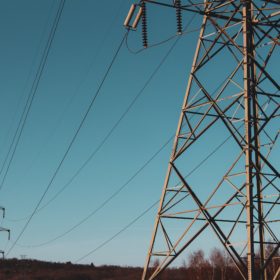
World Bank $500m loan to modernize Bangladeshi grid
Investment is required so electricity distribution networks can be upgraded to keep pace with an explosion in generation capacity over the last decade, and to harness the potential of renewables and energy storage.

EU approves renewables incentives for Greek islands
The European Commission has given its seal of approval to a government program which will drive an estimated 264 MW of solar and wind capacity across 47 islands while they await connection to the mainland grid.
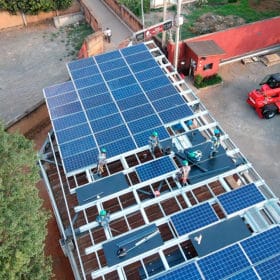
‘Africa’s leaders need to walk the walk on solar’
Attendees at an online event dedicated to rooftop solar in Central Africa called for customer incentives, tax exemptions for solar kit, feed-in tariffs, installation standards, affordable finance, grid connections and recycling policies across the region.
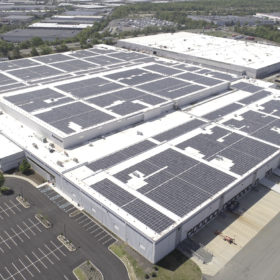
The weekend read: 24/7 hourly matching – a new granular phase of renewable energy sourcing
It’s what Google calls its “biggest sustainability moonshot yet” – 24/7 hourly matching – a new granular phase of renewable energy sourcing. The pursuit of 24/7 moves beyond buying enough renewable energy to match annual consumption, to matching consumption every hour of every day. Some say 24/7 matching could push up the price of renewables, but others say 24/7 is the only way to drive home decarbonization, minimize greenwashing, and create a truly net-zero energy system.
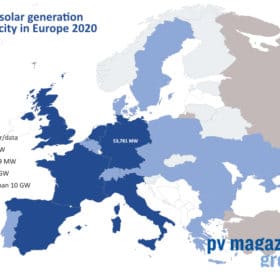
EU member states charging toward unambitious PV targets – SolarPower Europe
The national goals set by European countries two years ago already look hopelessly out of date thanks to the global PV boom. The Euro trade association for the industry has called for ambitions to be radically scaled up in 2023 if the world is to have any chance of capping temperature rises at 1.5C.
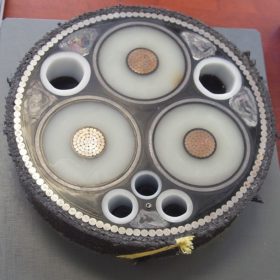
New subsea cables for the UK
Another round of the so-called “cap and floor” regime is expected to be held next year and will help the U.K. reach a total electricity interconnection capacity of 16 GW by 2030. The new interconnectors will likely be intended to harness large amounts of power from big offshore wind farm clusters in the North Sea.
