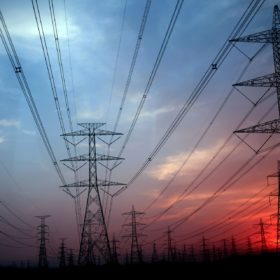
These 3 technologies could deliver more solar and wind to the US grid
In a U.S. study of the added renewables capacity made possible by grid-enhancing technologies, Brattle Group found that both solar and wind power would benefit in Kansas and Oklahoma through 2025.
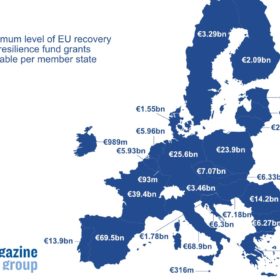
Austrian solar industry wants Covid-recovery funds spent on renewables-friendly grid
The national PV body in the country wants €1 billion from the EU’s recovery and resilience fund to be allocated to upgrading the electricity network to host more solar power generation capacity.
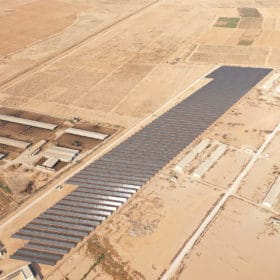
Renewables compete with coal and shale oil as Jordan pursues energy independence
The kingdom has had a ban on new large scale clean energy projects since January 2019 as Covid-19 exacerbated a situation in which generation capacity already outstripped supply. Lifting that embargo, and re-starting renewables auctions would be a step in the right direction, according to IRENA.
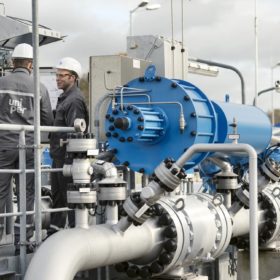
European Commission: Natural gas can be part of green transition
The EU today confirmed natural gas-fired power and heat generation facilities can qualify for Covid-recovery spending as long as they fulfil a maximum emission target or are accompanied by credible member-state plans to ramp up renewables usage.
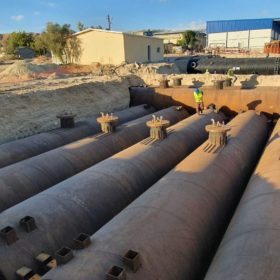
Augwind’s compressed air tech for renewables storage
Augwind CEO Or Yogev recently spoke to pv magazine about the Israeli company’s new storage solution for the renewables sector. The underground compressed-air storage specialist recently secured 166 MWh of capacity in Israel’s latest solar+storage tender, and plans to take equity stakes in all five projects.

UK government asks how future renewables incentives should work
The success of unsubsidized clean power facilities in the country – whether driven by corporate power purchase agreements or selling direct to the wholesale electricity market – has prompted the Department for Business, Energy and Industrial Strategy to ponder whether contracts-for-difference payments will be fit for purpose in the years ahead.
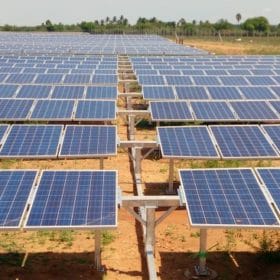
Financing large scale renewables in emerging economies
pv magazine has taken part in a webinar examining the thorny issue of financing clean energy generation in developing markets.
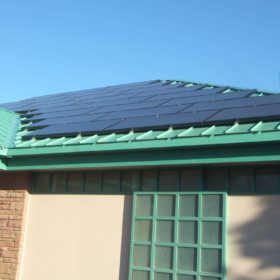
Flexible heat pumps ideal for power grids congested by solar and wind
Dutch transmission system operator Tennet, which also serves Germany, is planning to create flexible electricity demand and reduce grid congestion by promoting the use of smarter heating systems and heat pumps that can also be powered by solar and wind energy. According to its experts, intelligent control of heat pumps may result in the creation of between 0.5 and 1 GW of temporary grid flexibility by 2030.
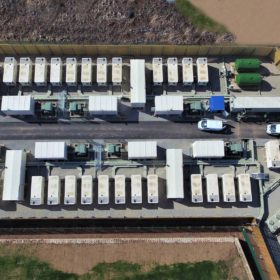
European Commission bids to ease planning of trans-border battery and hydrogen projects
The commission has proposed updating the law which regulates the bloc’s cross-border energy networks to include new energy storage technologies and smart grids as well as removing fossil fuel eligibility for public funding.
IFC says green recovery could drive $2.5tn renewables market this decade
The private-sector arm of the World Bank, which claims to leverage $3 of its own capital and $8 from third parties for every dollar invested in its blended finance funds, has attempted to quantify what devoting Covid recovery funds to green investment would mean for emerging economies.
