
African utilities wary of threat from renewables
The rise of clean energy and prosumers, net metering and greenhouse gas regulation all figure among the bogeymen as far as national electric companies are concerned.
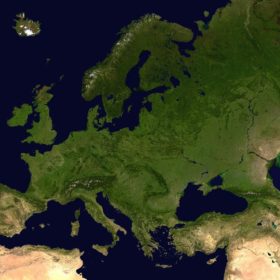
‘Solar should be at heart of EU recovery’
Solarpower Europe has called on member states to put solar and battery storage front and center when it comes to drawing up the Recovery and Resilience plans needed to secure a slice of the bloc’s proposed €672.5 billion post-Covid stimulus package.

China could add 48 GW of solar next year – AECEA
The in-country analyst has revised up its expectation for this year and says a healthy unsubsidized project pipeline will keep the numbers ticking over in 2021. The spending plans necessary to ramp up renewables targets in the next five-year plan, though, could put the nation on a collision course with the EU.

Plans for 50,000 hydrogen-powered taxis in Paris
European electric transmission company body ENTSO-E has unveiled details of a project to install 11 GWh of electrolyzed hydrogen storage capacity across ten locations around the French capital by the end of the decade.
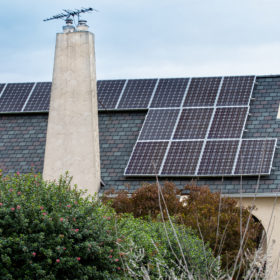
DC voltage regulation technique for grid-connected solar-plus-storage
Researchers in India have developed a new method to operate a solar-plus-storage system in a stable manner under varying operating conditions. They claim that their novel technique enables the regulation of the DC link voltage and is able to compensate reactive power while supplying active power to a local load in grid-connected operation.
Toshiba and Next Kraftwerke prepare for Japan’s energy transition
The electronics brand has announced plans for a virtual power plant aggregator JV with German specialist Next Kraftwerke ahead of the opening up of the control reserve market in Japan in April – and the planned switch from clean energy FITs to feed-in premium, top-up payments a year later.
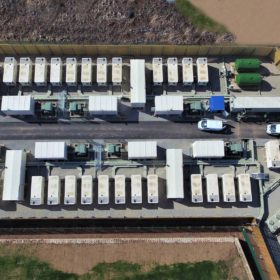
The UK’s biggest balancing act
The nation’s electricity system operator said it wanted more energy storage facilities and to procure new stability products following a big power outage last year. Some 12 months on, the country’s biggest battery storage company has rolled up its sleeves to take on a new role.

EBRD backs green bond issued by Polish utility
The London-based lender has committed more than €50 million to the €218 million exercise which will cost issuer Tauron more to finance if the utility falls short of its 2030 decarbonization targets.
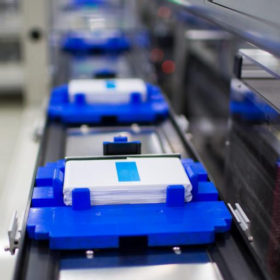
‘China must put EV battery reuse at heart of net-zero ambition’
The centralized nature of policymaking in Beijing would enable component standardization to ease the transition from EV to stationary energy storage use, according to Greenpeace East Asia.
Major economies should divert fossil fuel Covid-recovery cash to clean energy before it’s too late
A report by Finnish company Wärtsilä has estimated the potential impact if every dollar committed to a non-renewables energy sector recovery was instead funneled to clean power.
