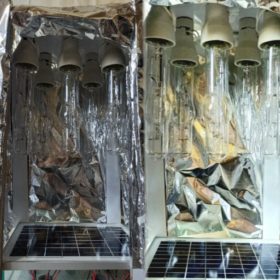
Cooling solar panels with cold steam from ultrasonic thermoelectric generators
Iranian researchers have looked at how ultrasonic thermoelectric generators could be used to lower the operating temperature of solar modules. Their new system can generate cold steam via ultrasonic piezoelectrics in a simple batch system.
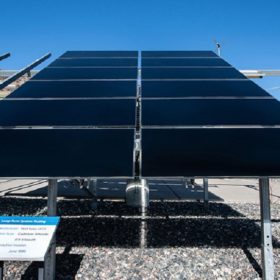
Paths to commercial success for renewable energy tech
Analysts have studied lab-to-market pathways for clean energy technologies, including First Solar’s cadmium-telluride thin-film solar modules.

Trina Solar unveils 425 W all-black solar module with 21.3% efficiency
China’s Trina Solar has developed an upgraded version of its Vertex S All Black PV module, with about 30 W of additional output. It is offering the new product on the Australian market.
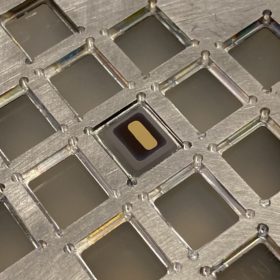
Selenium solar cell with 5.2% efficiency, 0.99 V open-circuit voltage
Danish researchers have built a selenium solar cell with the highest open-circuit voltage ever reported. They said that with further improvements in the optoelectronic quality of selenium, the device could reach an efficiency of up to 8%.

Finnish mine to host 75 MW/530 MWh underground pumped hydro facility
Suomen Energiavarasto Oy has secured €26.3 million ($27.5 million) from the Finnish government to build an underground pumped hydro project at a former zinc and copper mine.
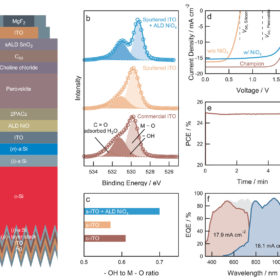
Monolithic perovskite-silicon tandem solar cells for water splitting
Researchers in the Netherlands have designed a water-splitting system with an electrochemical cell and a 25%-efficient tandem perovskite-silicon solar cell. It can reportedly achieve a solar-to-hydrogen efficiency rating of more than 21%.

Canadian company unveils portable off-grid solar, battery kit
SEI Logistics has developed a portable, folding solar panel kit with batteries. The system is designed to work in harsh, remote environments.
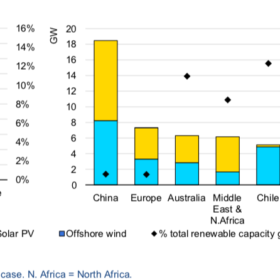
The Hydrogen Stream: Global renewables capacity for hydrogen to surge by 2027, says IEA
The International Energy Agency says that it expects the use of renewables to support global hydrogen production to surge over the next five years. The Netherlands and Denmark, meanwhile, have revealed plans to expand electrolysis capacity.
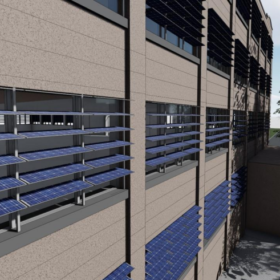
Design framework for BIPV shading devices
Canadian researchers have developed a new model to improve the performance of building-integrated PV (BIPV) shades in buildings. They considered solar electricity, heat transferred through windows, and interior daylighting quality.
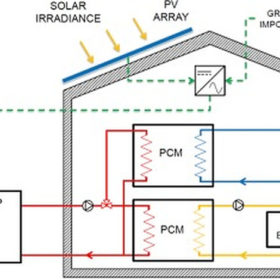
PV-powered residential air-source heat pump with PCM thermal storage
A UK research group has proposed the combination of solar-powered heat pumps and thermal storage based on phase-change materials for residential applications. They said such a system could facilitate cost savings of up to 39%.
